Baseball Card AI Grading & Identification
AI baseball card grading. Identify T206 Wagner, 1952 Topps Mantle, modern Bowman 1st, and Topps Chrome before PSA, BGS, SGC.
Grade Baseball Cards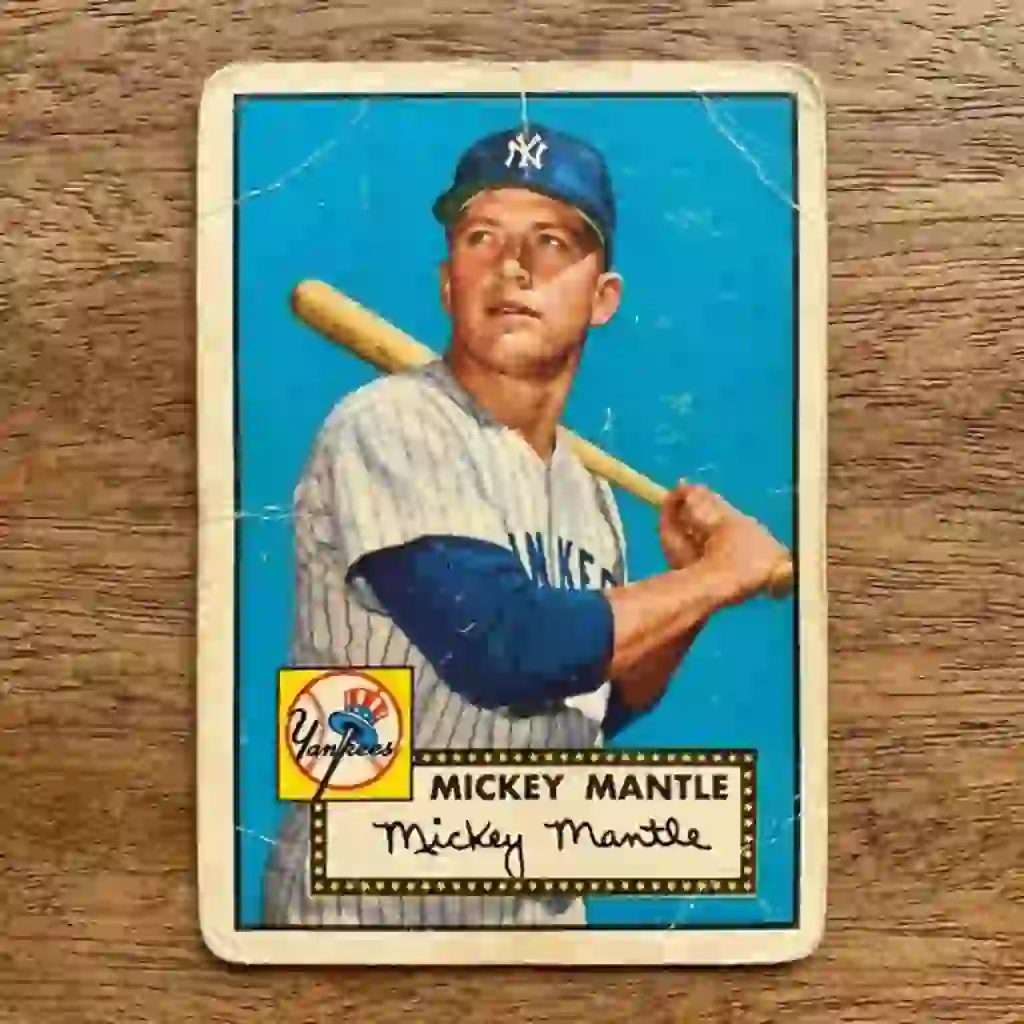
Key Takeaways
- AI pre-grading costs about $0.19 per card, while PSA Regular is $79.99 per card. Pre-screening is the smart first step.
- Only 8.88% of cards submitted to PSA earn Gem Mint 10. AI filtering helps you avoid paying full grading fees for low-grade results.
- PreGradeCards AI matches PSA grades within one point 89% of the time on internal benchmarks of 10,000 cards.
- Professional graders evaluate four criteria: corners, edges, surface, and centering.
- Not every card is worth grading. Focus on chase cards, premium foils, rare variants, and iconic staples.
The Grail: 1909-11 T206 Honus Wagner
The Holy Grail of baseball cards. Only 50-200 copies exist. Wagner allegedly objected to tobacco advertising. A PSA 8 sold for $7.25 million in 2022.
Modern Chase: 1952 Topps Mickey Mantle #311
The most iconic postwar card. High-number series, unsold cases dumped in the ocean. A PSA 9 sold for $12.6 million in 2022.
History & Market Context
Baseball cards date to the 1880s as tobacco inserts. The T206 set (1909-11) introduced lithographed color portraits. Topps dominated from 1951 onward, with the 1952 set establishing the modern card format. Modern Bowman, Topps Chrome, and Topps Heritage continue the tradition. The graded market is dominated by PSA, with SGC preferred for pre-war tobacco cards.
T206 White Border (1909-11)
Tobacco cards, 524 subjects. Wagner, Cobb, Mathewson, Young.
1952 Topps
First modern set. Mantle #311 is the chase. High-number scarcity.
1957 Topps
First year of standard card size. Brooks Robinson, Mickey Mantle.
1989 Upper Deck
Premium card revolution. Ken Griffey Jr. rookie #1.
2011 Topps Update
Mike Trout rookie. Superfractor /1 sold for $3.93M.
2023 Topps Chrome
Modern refractors, autographs, and rookie debut cards.
Artists, Sets & Design
Early tobacco cards used anonymous lithographers. Topps employed artists like Sy Berger (the father of the modern baseball card) and Gerry Dvorak. Modern Topps uses photography with design teams. Bowman prospects feature action photography and first bowman autographs.
What PreGradeCards AI Identifies
Upload a photo and PreGradeCards AI will analyze the card for the same four pillars professional graders use:
- Year, set, card number, and manufacturer
- Player name, team, and position
- Rookie, veteran, insert, or parallel designation
- Autograph and relic presence
- Refractor, superfractor, and parallel colors
- Surface scratches, corner wear, edge whitening, and centering
The AI also estimates a predicted grade range and flags the specific areas most likely to lower your grade. This lets you decide whether to submit, sell raw, or hold the card before spending $79.99 or more on professional grading.
Grading Deep Dive
Condition factors specific to Baseball cards:
- Pre-war tobacco cards have rough cuts and print defects that are accepted
- 1952 Topps cards have fragile stock prone to corner wear
- Centering is critical on Topps issues — 60/40 or better for PSA 10
- Refractors show surface scratches easily under grading lights
- Autograph grades (AUTO 10) add significant value
Professional graders use magnification and controlled lighting to find these defects. PreGradeCards AI replicates that process digitally, giving you a professional-grade pre-screen at a fraction of the cost.
Grading Demand by Era
Grading demand varies by era based on scarcity, collector nostalgia, and player interest.
Why AI Pre-Grading Saves Money on Baseball Cards
Professional grading is expensive, and not every card will earn a premium grade. PSA Regular costs $79.99 per card. If you submit ten cards and only three earn PSA 10, you have wasted $559.93 on the seven lower grades. AI pre-grading at $0.19 per card lets you test your entire collection first.
The AI filters out the 60-70% of raw cards that are unlikely to earn PSA 10, letting you submit only the strongest candidates. This reduces total grading costs by 40-60% and improves the average grade of your submissions.
How to Pre-Grade Baseball Cards (4 Steps)
- Photograph the card. Front and back, flat lighting, no glare — a phone camera on a neutral background works.
- Upload to PreGradeCards. Our AI inspects centering, corners, edges, and surface, then predicts the PSA/BGS grade in about a minute.
- Read the subgrade breakdown. You see the weak spot (usually centering or corners) and an estimated grade for each major grader.
- Submit only the winners. Cards that pre-grade 9.5+ are worth the PSA/BGS fee; the rest stay raw or get sold unsent.
Frequently Asked Questions
How does AI pre-grading work for baseball cards?
The AI scans the card, identifies the year, set, player, and manufacturer, then evaluates corners, edges, surface, and centering for a predicted grade.
What baseball cards are worth grading in 2026?
Vintage Topps and tobacco cards, modern Bowman 1st autographs, Topps Chrome refractors, and rookie cards of Hall of Famers and current stars.
Is AI pre-grading accurate for baseball cards?
PreGradeCards AI matches PSA grades within one point on 89% of cards in internal benchmarks.
How much does baseball card grading cost?
PSA Regular is $79.99 per card. AI pre-grading is about $0.19 per card, letting you filter submissions before paying full fees.
What is the biggest grade killer for baseball cards?
Corner wear on vintage cards and surface scratches on refractors are the most common issues.