Share This Article
The Short Answer
- AI coin grading identifies the coin, variety, and condition from a photo.
- The Sheldon scale runs from G-4 to MS-70 for uncirculated coins.
- Luster, strike quality, and eye appeal are key uncirculated factors.
- Pre-screening helps avoid expensive professional grading on low-value coins.
The Sheldon Scale
The Sheldon scale ranges from Poor-1 to Mint State-70. Most collectible coins fall in the MS-60 to MS-67 range. MS-70 is perfect and rare.Coin Identification with AI
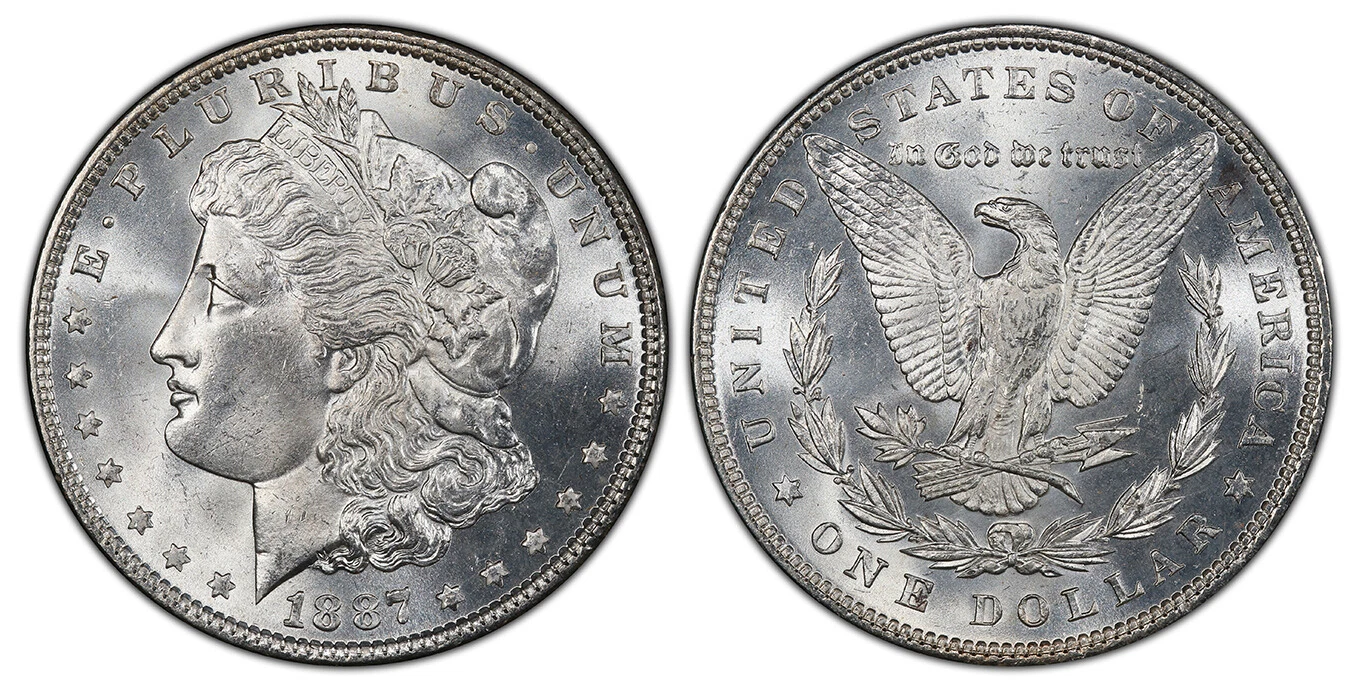
AI reads the obverse and reverse to determine country, denomination, year, mint mark, and variety. It can identify wheat pennies, buffalo nickels, Mercury dimes, and Morgan dollars.Grading Factors
Coin grading evaluates wear, luster, strike, marks, and eye appeal. AI can measure detail sharpness, detect scratches, and assess luster.Melt and Market Value
For precious metal coins, melt value provides a price floor. Market value is determined by rarity, grade, and demand.Frequently Asked Questions
What is the Sheldon coin grading scale?
The Sheldon scale ranges from Poor-1 to Mint State-70, with circulated grades from G-4 to AU-58 and uncirculated grades from MS-60 to MS-70.
Can AI identify coin varieties and errors?
Yes. AI can detect doubled dies, off-center strikes, mint mark varieties, and other anomalies.
What is the difference between circulated and uncirculated coins?
Circulated coins show wear from use. Uncirculated coins have no wear and retain original mint luster.
Should I grade every coin I find?
No. Only grade coins where the expected value in the target grade exceeds the grading cost.
Sources & Further Reading
PreGradeCards Research Team
Contributor
The PreGradeCards Research Team combines machine-learning engineers, grading analysts, and collector-education specialists to produce accurate, data-driven guides on AI card grading, professional grading standards, and collecting strategy.
Grade smarter while the queues are long.
With submission floors rising, pre-screening is no longer optional. Use our AI Pre-Grade Calculator to score a card's PSA 10 odds before you pay, and the Submission Planner to pick the right tier.