Share This Article
The Short Answer
- CGC and CBCS use a 10-point scale for comic book grading.
- Cover gloss, spine stress, and corner wear are primary condition factors.
- Key issues and first appearances command the highest grading premiums.
- AI pre-screening can detect spine ticks, creases, and color breaks.
Comic Book Grading Scale
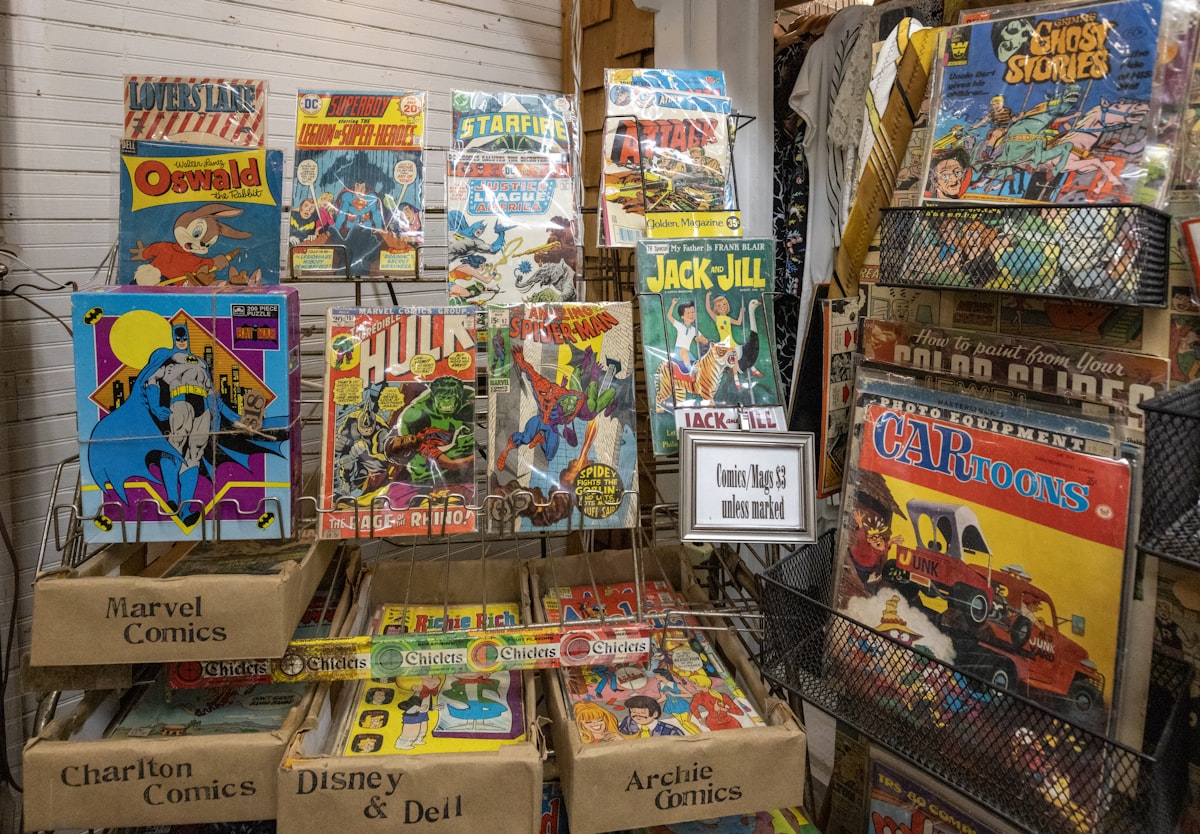
CGC and CBCS use a 10-point scale from 0.5 to 10.0. Most collectible comics fall between 8.0 and 9.8. The difference between 9.6 and 9.8 can be thousands on key issues.Cover and Spine Condition
The cover is the most important part. Graders look for cover gloss, color breaks, creases, and stains. Spine stress lines are common on modern comics and lower grades significantly.Pages and Structural Integrity
Interior pages are checked for tears, stains, missing pieces, and tanning. Structural integrity includes staples, spine, and binding.Key Issues and Grading ROI
Key issues with first appearances and cultural impact carry the highest premiums. Pre-screening helps identify books that are strong candidates for the next grade point.Frequently Asked Questions
What is the comic book grading scale?
CGC and CBCS use a 10-point scale from 0.5 to 10.0, with 10.0 being Gem Mint.
What are spine ticks?
Spine ticks are small creases or stress lines along the spine where the comic has been opened or bent.
Are key issues worth grading even in lower grades?
Yes. Major key issues can be valuable even in lower grades because of scarcity and demand.
Can AI detect comic book defects?
AI can detect spine ticks, creases, cover wear, and corner blunting from high-quality photos.
Sources & Further Reading
PreGradeCards Research Team
Contributor
The PreGradeCards Research Team combines machine-learning engineers, grading analysts, and collector-education specialists to produce accurate, data-driven guides on AI card grading, professional grading standards, and collecting strategy.
Grade smarter while the queues are long.
With submission floors rising, pre-screening is no longer optional. Use our AI Pre-Grade Calculator to score a card's PSA 10 odds before you pay, and the Submission Planner to pick the right tier.