Share This Article
The Short Answer
- AI stamp identification reads country, era, denomination, and design.
- Perforation gauge and watermark detection are critical for varieties.
- Condition grading evaluates centering, margins, gum, and cancellation.
- Pre-screening helps avoid expensive expert certification on common stamps.
Stamp Identification with AI
AI analyzes stamp design, inscriptions, denomination, and border patterns to identify country, era, and catalog details. This is useful for inherited collections and estate finds.Perforation Gauge
Different perforation gauges on the same stamp can mean 10x price differences. AI can measure perforation spacing from high-resolution photos.
Try it on your own cards — free
1 free credit · instant AI grade + market value · no credit card required
Get Free Credits →
Watermark Detection
Watermarks are hidden designs in the paper. They are one of the trickiest identification details. AI can help detect watermark patterns when the stamp is photographed against light.Condition Grading
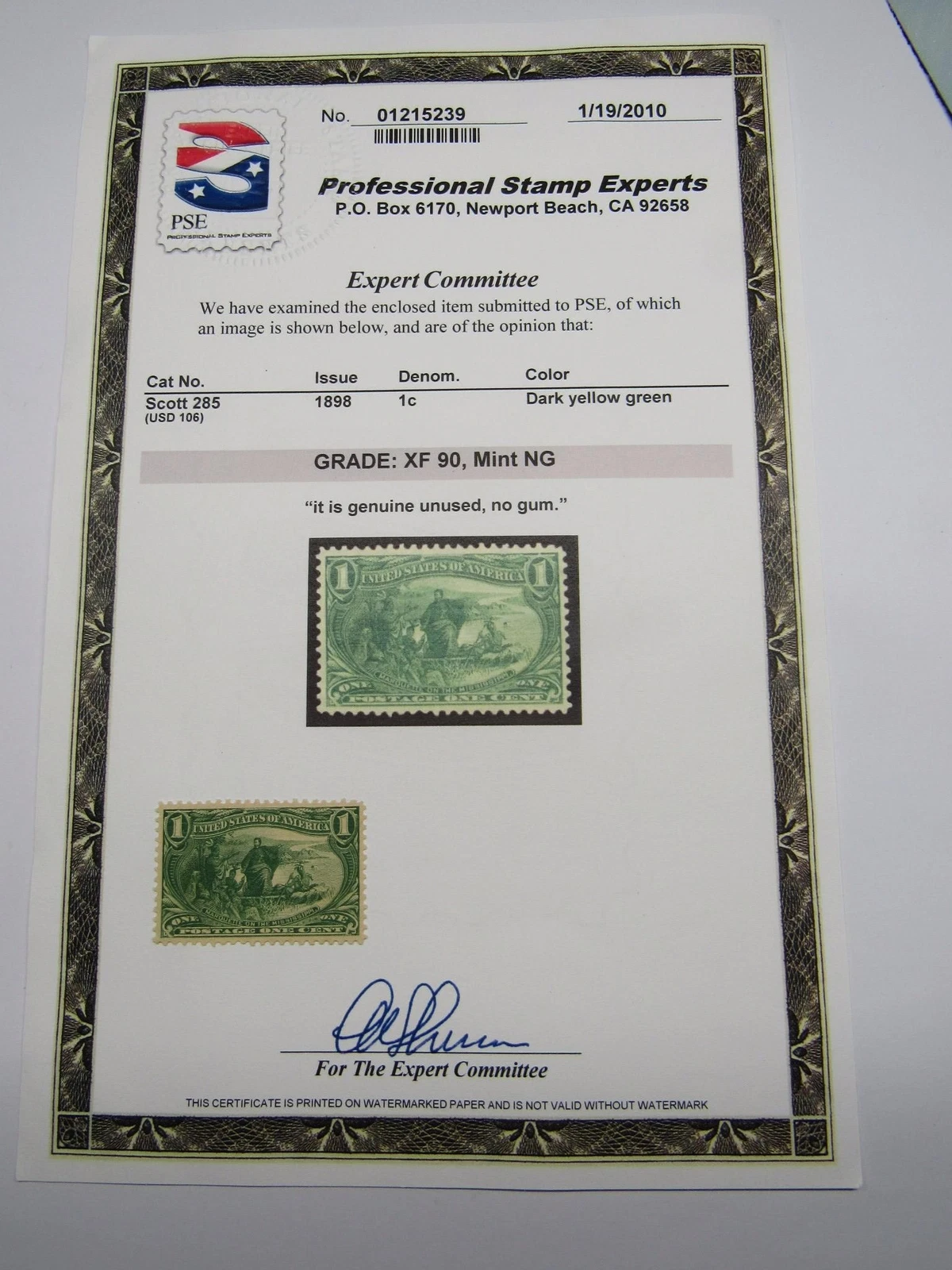
Stamp grading evaluates centering, margins, gum, hinge marks, and cancellation. A VF stamp can be worth 5x more than the same stamp in Good condition.Frequently Asked Questions
What is the stamp condition grading scale?
Stamps are typically graded Fine, Very Fine, and Extremely Fine based on centering, margins, gum, and cancellation.
Why do perforations matter for stamp value?
Different perforation gauges on the same stamp can indicate a rare variety worth much more than a common version.
How do you detect watermarks on stamps?
Watermarks can be detected by holding the stamp to light, using watermark fluid, or using AI image analysis.
Can AI identify rare stamp varieties?
AI can flag unusual perforation patterns, design anomalies, and watermark hints, but rare varieties should be confirmed by an expert.
Sources & Further Reading
PreGradeCards Research Team
Contributor
The PreGradeCards Research Team combines machine-learning engineers, grading analysts, and collector-education specialists to produce accurate, data-driven guides on AI card grading, professional grading standards, and collecting strategy.
Ready to grade your own cards?
Create a free account and get 1 free credit — enough for 1 complete AI grading with market pricing. No credit card required.
Sign Up Free →Or try the free tools first: AI Pre-Grade Calculator · Submission Planner