Basketball Card AI Grading & Identification
AI basketball card grading. Identify 1986 Fleer Jordan, modern Prizm, Select, and Optica rookies before PSA, BGS, SGC.
Grade Basketball Cards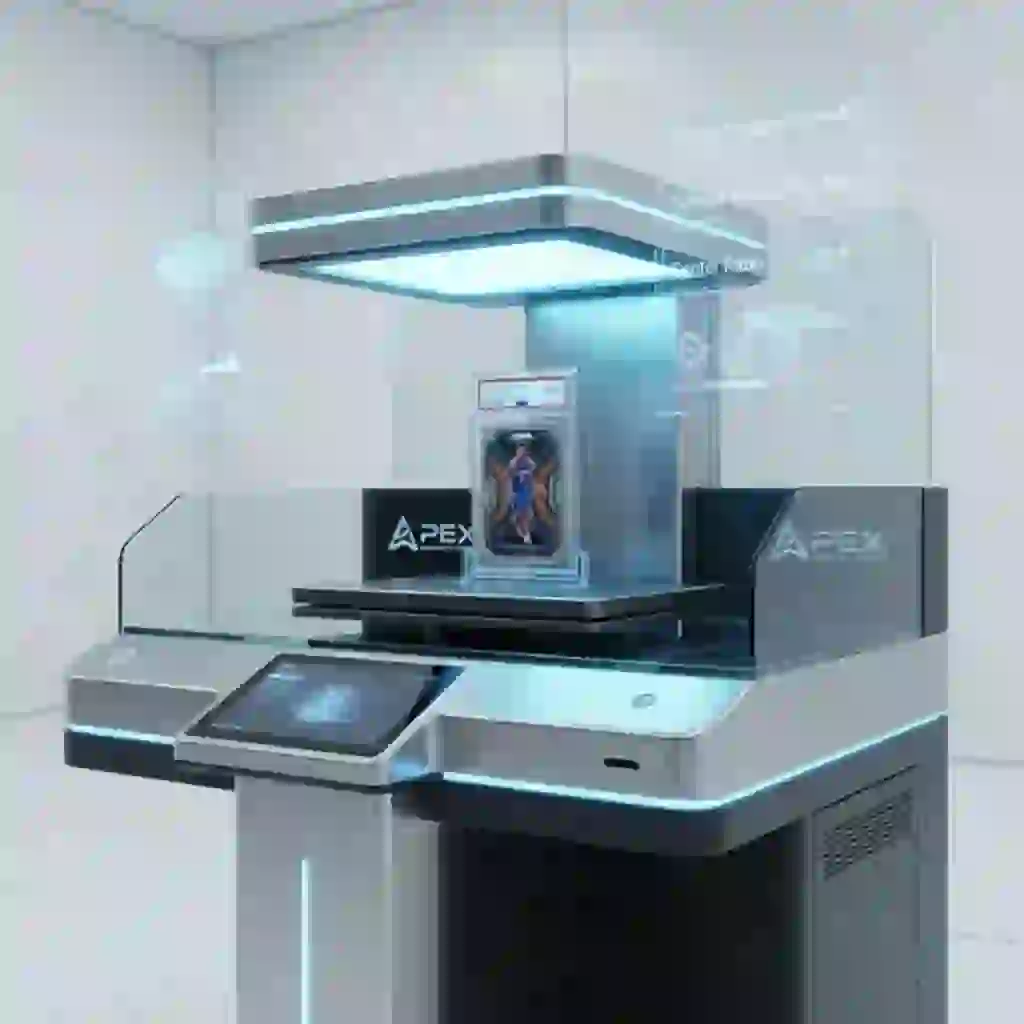
Key Takeaways
- AI pre-grading costs about $0.19 per card, while PSA Regular is $79.99 per card. Pre-screening is the smart first step.
- Only 8.88% of cards submitted to PSA earn Gem Mint 10. AI filtering helps you avoid paying full grading fees for low-grade results.
- PreGradeCards AI matches PSA grades within one point 89% of the time on internal benchmarks of 10,000 cards.
- Professional graders evaluate four criteria: corners, edges, surface, and centering.
- Not every card is worth grading. Focus on chase cards, premium foils, rare variants, and iconic staples.
The Grail: 1986-87 Fleer Michael Jordan #57
The most iconic basketball card ever produced. Jordan soaring for a dunk, tongue out. A PSA 10 sold for $738,000 in 2021.
Modern Chase: 2003-04 Topps Chrome LeBron James Rookie
LeBron's flagship rookie. Topps Chrome refractor parallels are the most valuable modern basketball rookies.
History & Market Context
Basketball cards began in 1910 with tobacco cards. The 1961 Fleer set was the first major postwar issue. The 1986-87 Fleer set is the most important basketball set ever, featuring rookie cards of Jordan, Olajuwon, Barkley, Malone, and Ewing. Modern Panini Prizm, Select, and Optica dominate the market with color parallels and autographs.
1961 Fleer
First postwar basketball set. Wilt Chamberlain and Oscar Robertson rookies.
1986-87 Fleer
The greatest rookie class ever. Jordan #57 is the grail.
1996-97 Topps Chrome
Kobe Bryant rookie. Refractor and Gold Refractor parallels.
2003-04 Topps Chrome
LeBron James, Dwyane Wade, Carmelo Anthony rookie class.
2018-19 Panini Prizm
Luka Doncic and Trae Young rookies. Silver Prizm is the chase.
2023-24 Panini Prizm
Victor Wembanyama rookie. French Invasion inserts.
Artists, Sets & Design
Fleer used action photography for the iconic 1986-87 set. Modern Panini uses high-speed game photography with design overlays. The Prizm brand introduced refractor technology to basketball in 2012, creating the parallel color chase that defines the modern market.
What PreGradeCards AI Identifies
Upload a photo and PreGradeCards AI will analyze the card for the same four pillars professional graders use:
- Year, set, card number, and manufacturer (Fleer, Topps, Panini)
- Player name, team, and position
- Rookie card designation and rookie class year
- Prizm, Select, Optica, Chronicles brand identification
- Refractor color parallels (Silver, Gold, Green, Black, etc.)
- Autograph and relic patch presence
- Surface scratches, corner wear, edge whitening, and centering
The AI also estimates a predicted grade range and flags the specific areas most likely to lower your grade. This lets you decide whether to submit, sell raw, or hold the card before spending $79.99 or more on professional grading.
Grading Deep Dive
Condition factors specific to Basketball cards:
- 1986 Fleer cards have notoriously off-center printing
- Prizm refractors show surface scratches and print lines easily
- Silver Prizms are the most submitted modern parallel
- Corner wear on vintage Fleer stock is the #1 grade killer
- Autograph grades on-card vs sticker affect value significantly
Professional graders use magnification and controlled lighting to find these defects. PreGradeCards AI replicates that process digitally, giving you a professional-grade pre-screen at a fraction of the cost.
Grading Demand by Era
Grading demand varies by era based on scarcity, collector nostalgia, and player interest.
Why AI Pre-Grading Saves Money on Basketball Cards
Professional grading is expensive, and not every card will earn a premium grade. PSA Regular costs $79.99 per card. If you submit ten cards and only three earn PSA 10, you have wasted $559.93 on the seven lower grades. AI pre-grading at $0.19 per card lets you test your entire collection first.
The AI filters out the 60-70% of raw cards that are unlikely to earn PSA 10, letting you submit only the strongest candidates. This reduces total grading costs by 40-60% and improves the average grade of your submissions.
How to Pre-Grade Basketball Cards (4 Steps)
- Photograph the card. Front and back, flat lighting, no glare — a phone camera on a neutral background works.
- Upload to PreGradeCards. Our AI inspects centering, corners, edges, and surface, then predicts the PSA/BGS grade in about a minute.
- Read the subgrade breakdown. You see the weak spot (usually centering or corners) and an estimated grade for each major grader.
- Submit only the winners. Cards that pre-grade 9.5+ are worth the PSA/BGS fee; the rest stay raw or get sold unsent.
Frequently Asked Questions
How does AI pre-grading work for basketball cards?
The AI scans the card, identifies the year, set, player, brand, and parallel color, then evaluates corners, edges, surface, and centering.
What basketball cards are worth grading in 2026?
1986 Fleer Jordan, modern Prizm rookies of stars, Silver Prizms, and autograph cards of Hall of Famers and current elite players.
Is AI pre-grading accurate for basketball cards?
PreGradeCards AI matches PSA grades within one point on 89% of cards in internal benchmarks.
How much does basketball card grading cost?
PSA Regular is $79.99 per card. AI pre-grading is about $0.19 per card, letting you filter submissions before paying full fees.
What is the biggest grade killer for basketball cards?
Off-center printing on 1986 Fleer and surface print lines on Prizm refractors are the most common issues.