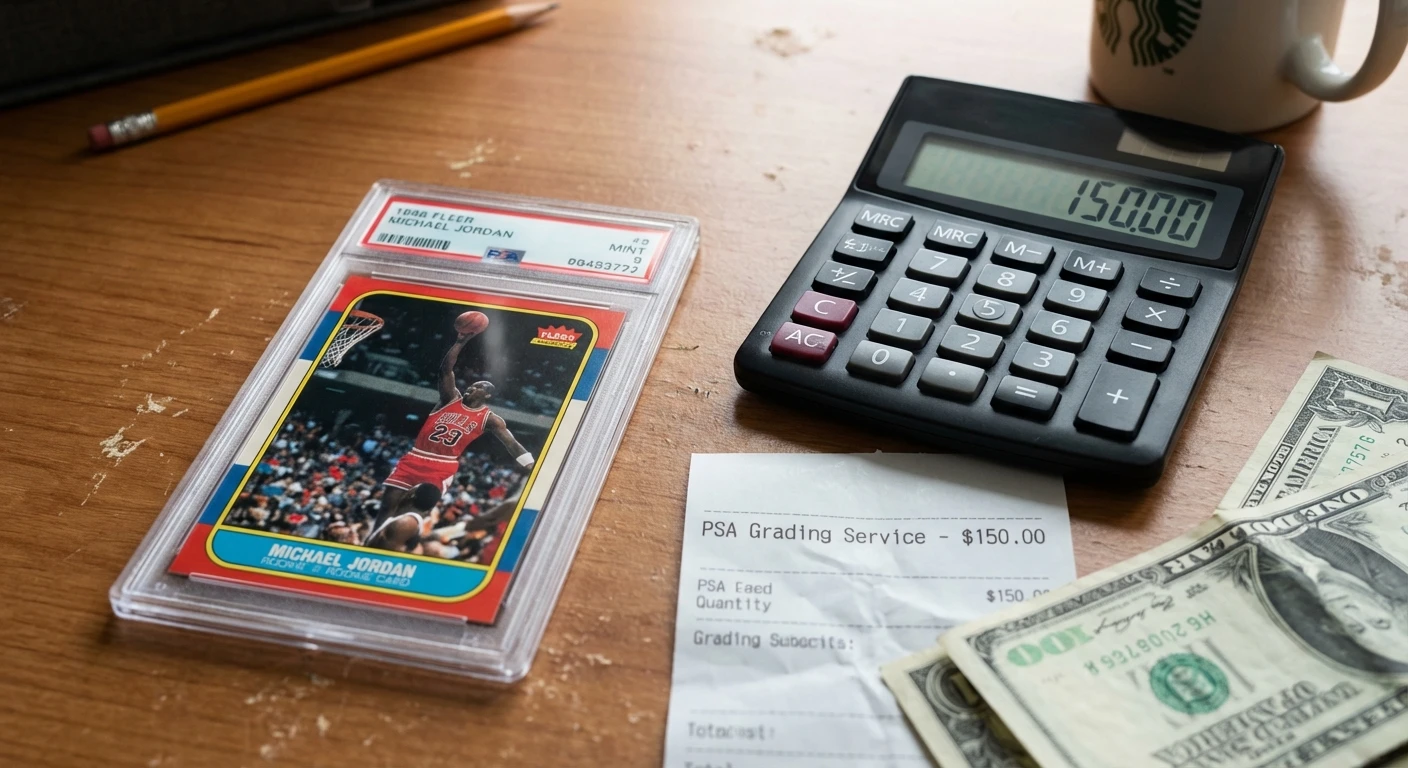
The Short Answer
- 2020–21: the pandemic boom overwhelmed graders and forced the first big restructuring.
- 2022–24: tiered pricing and capacity expansion stabilized waits.
- 2025: renewed demand drove a September fee hike.
- 2026: a February hike, then the June Value pause lifting the floor to $79.99.
2020–21: The Boom That Broke the System
The pandemic collecting boom flooded graders with volume they were never built for. PSA famously suspended cheaper tiers in 2021 and raised minimum prices sharply, with bulk waits stretching close to a year. It was the first time the hobby learned that grading capacity is finite and pricing is the release valve.
2022–24: Tiered Pricing and Recovery
As the initial mania cooled, graders rebuilt. PSA reintroduced Value tiers, expanded facilities, and lifted daily output. Pricing settled into a tiered structure where speed cost more. For a few years, turnaround was relatively predictable and bulk grading was cheap again.
2025–26: Demand Re-Accelerates
Demand roared back. PSA raised fees and extended turnaround in September 2025, then again on February 10, 2026 alongside a $200M investment. When even that did not slow a 20% submission spike, PSA paused all four Value tiers on June 2, 2026, lifting the cheapest entry point to $79.99.
The Trend Line
The six-year arc is unmistakable: the cost floor to grade a card has risen dramatically, punctuated by capacity-driven pauses in both 2021 and 2026. The lesson for collectors is structural — cheap grading is cyclical, and the periods of low fees are the windows to act.
Frequently Asked Questions
How much have card grading prices risen since 2020?
Why do grading prices keep rising?
Will grading prices come back down?
Sources & Further Reading
Emily Rodriguez analyzes grading cost, population, and pricing data across PSA, BGS, SGC, CGC, and TAG. She built the PreGradeCards ROI calculator and submission planner, and her market reports on grading backlog, turnaround times, and slab premiums are cited by collectors and dealers worldwide.
Create a free account and get 2 free credits — enough for 2 complete AI gradings with market pricing. No credit card required.
Get Your Free Credits →