Share This Article
The Short Answer
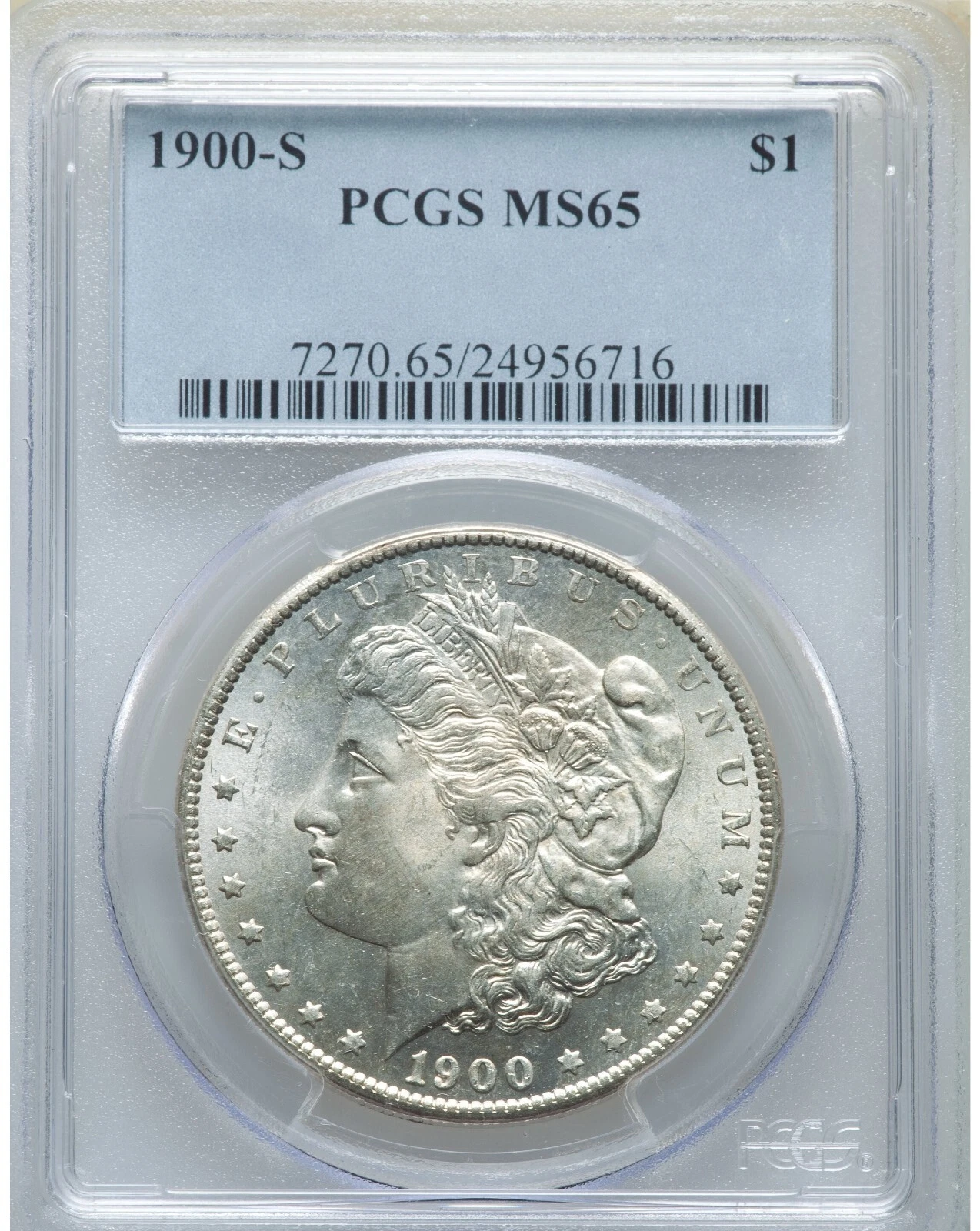
- Mint state coins show no wear but may have bag marks or contact marks.
- Luster is the original mint bloom and a key factor in uncirculated grades.
- Strike quality varies by die state and mint.
- Eye appeal combines luster, toning, and mark placement.
Luster
Luster is the original mint shine on an uncirculated coin. Coins with full, cartwheel luster grade higher than those with dull or spotted surfaces. AI can assess luster uniformity across the coin.Bag Marks and Hairlines
Bag marks are small contact marks from coins hitting each other in mint bags. Hairlines are fine scratches from cleaning or improper handling. Both lower the grade.Strike Quality
Strike quality refers to how sharply the design was impressed. Weak strikes show soft details. Well-struck coins have crisp details. Strike quality varies by year and mint.Eye Appeal
Eye appeal combines luster, toning, and mark placement. A coin with attractive toning and minimal marks in unobtrusive areas will grade higher than a coin with harsh marks on the portrait.Frequently Asked Questions
What is the difference between MS-69 and MS-70?
MS-70 is perfect with no post-mint imperfections. MS-69 has one or two tiny imperfections that are barely visible.
Do bag marks mean a coin is circulated?
No. Bag marks can occur on uncirculated coins from mint handling. The coin is still uncirculated if there is no wear on the high points.
Can cleaning a coin improve its grade?
No. Cleaning almost always lowers the grade because it creates hairlines and removes luster.
How does AI assess mint state coins?
AI evaluates luster, mark count, strike sharpness, and overall eye appeal to estimate a mint state grade.
Sources & Further Reading
PreGradeCards Research Team
Contributor
The PreGradeCards Research Team combines machine-learning engineers, grading analysts, and collector-education specialists to produce accurate, data-driven guides on AI card grading, professional grading standards, and collecting strategy.
Grade smarter while the queues are long.
With submission floors rising, pre-screening is no longer optional. Use our AI Pre-Grade Calculator to score a card's PSA 10 odds before you pay, and the Submission Planner to pick the right tier.