The Short Answer
- PSA, BGS, and CGC are the top graders used by Japanese Pokémon collectors in 2026
- Pre-grading with AI before submission reduces wasted grading fees by 40-60%
- Japanese-language cards and promo holos can grade differently than English prints due to foil texture and stock
- Top auction venues include Yahoo! Auctions Japan, Mercari, and eBay Japan
- Use PreGradeCards to predict PSA 10 odds before sending cards overseas
The Pokémon Card Grading Market in Japan
Pokémon card collecting in Japan is more than a hobby—it is a mature alternative investment market. From the classic 1996 Base Set to the latest Scarlet & Violet expansions, Japanese collectors chase pristine copies, rare promos, and chase cards. As global demand rises, the need for trusted third-party grading has exploded.
Japan remains the second-largest TCG market after the United States, and Pokémon is the undisputed king. High-end cards regularly sell for six or seven figures on Yahoo! Auctions, and graded slabs from PSA, BGS, and CGC are now the standard for serious transactions.
PSA, BGS, and CGC in Japan
PSA (Professional Sports Authenticator) dominates Japanese Pokémon grading. A PSA 10 Japanese Charizard or Pikachu promo commands the highest resale premium internationally. BGS remains popular among collectors who value sub-grades and the distinctive black label. CGC is the fastest-growing option for modern Japanese cards and sealed TCG products.
For Japanese collectors, the biggest challenge is turnaround time and cost. Submitting cards to PSA's U.S. facility requires international shipping, customs paperwork, and patience. Local authorized dealers exist, but markups can be steep.
Japanese vs English Card Prints
Japanese Pokémon cards are printed on thinner, smoother card stock than English versions. Holo patterns, especially on old promos and lottery cards, can appear softer or more diffuse. This does not automatically lower a grade, but it means centering and surface imperfections must be judged against the Japanese print standard, not the English one.
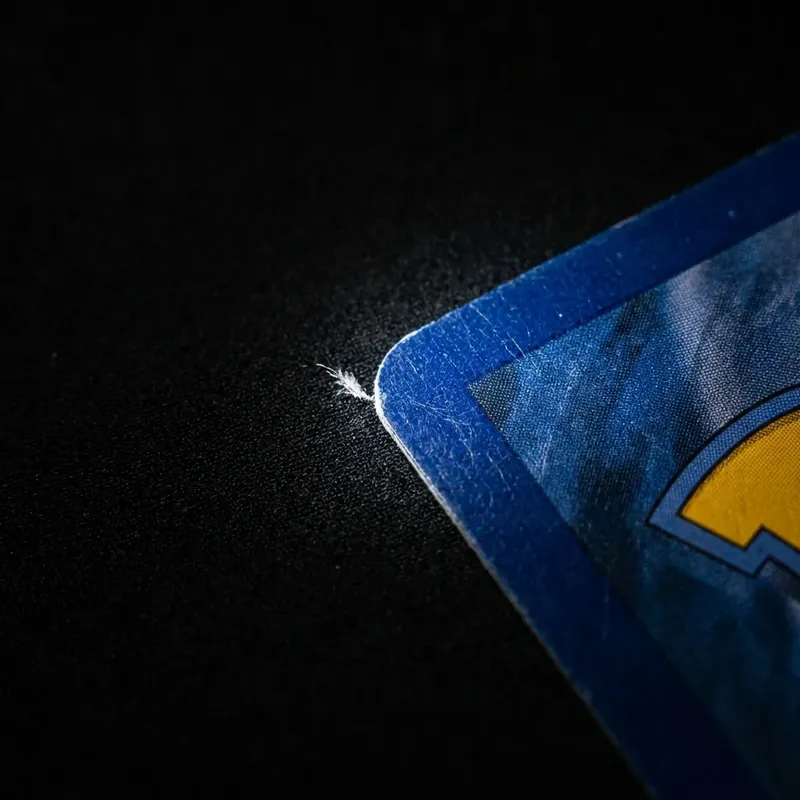
Common issues that hurt Japanese cards include factory silvering, edge whitening on the thinner stock, and print dots on full-art trainers. AI pre-grading helps identify these issues before you spend ¥10,000 or more on a submission.
How to Submit from Japan
Collectors in Japan can submit cards through PSA Japan, authorized dealers, or direct international mail. The direct route is cheapest but requires care: declare the cards accurately for customs, use tracked express shipping, and package each card in a semi-rigid sleeve and top-loader.
Before sending anything, use PreGradeCards to run a face-on scan. The AI predicts PSA 10 odds and flags centering, corner, and surface risks. Submitting only cards with 9+ potential dramatically improves your return on investment.
Where to Sell Graded Cards
After grading, the best sales channels depend on the card. For domestic Japanese buyers, Yahoo! Auctions and Mercari dominate. For international buyers, eBay and specialized Facebook groups remain strong. High-end slabs often move through private collector networks or auction houses.
Graded cards consistently outsell raw copies by 2x to 10x depending on the grade. A PSA 10 Japanese Charizard VSTAR can easily triple the value of an ungraded copy.
Frequently Asked Questions
Can I grade Japanese Pokémon cards with PSA?
Are Japanese cards harder to grade PSA 10?
What is the cheapest way to submit cards from Japan?
How do I know if a card is worth grading?
Which sells better in Japan, PSA or BGS?
Sources & Further Reading
The PreGradeCards Research Team combines machine-learning engineers, grading analysts, and collector-education specialists to produce accurate, data-driven guides on AI card grading, professional grading standards, and collecting strategy.
With submission floors rising, pre-screening is no longer optional. Use our AI Pre-Grade Calculator to score a card's PSA 10 odds before you pay, and the Submission Planner to pick the right tier.