The Short Answer
- Higher fees + 40–50 day waits compress flip margins and slow inventory turns.
- Volume bulk-flipping of cheap modern is no longer viable via PSA.
- Resellers are pivoting to higher-value cards and alternative graders.
- Pre-screening becomes mandatory to protect thin margins.
The Margin Squeeze
Grade-and-flip resellers built volume businesses on cheap Value tiers — submit hundreds of $40–$90 cards, sell the gems, recycle capital. At $79.99 per card, the per-unit cost can exceed the profit on the card itself. The cheap end of the flip business is, for now, structurally unprofitable through PSA.
Cash-Flow Drag
Beyond fees, the extended 40–50 business day Regular turnaround ties up inventory and capital far longer. A reseller who used to turn cards in 3–4 weeks now waits 2–2.5 months — slowing reinvestment and adding price-risk exposure if the market moves during the hold.
How Resellers Are Adapting
- Trade up: fewer, higher-value submissions where margins survive an $80 fee.
- Diversify graders: route bulk to CGC/SGC; reserve PSA for premium cards.
- Buy slabs, not raws: flip already-graded inventory to avoid the wait and the gem gamble.
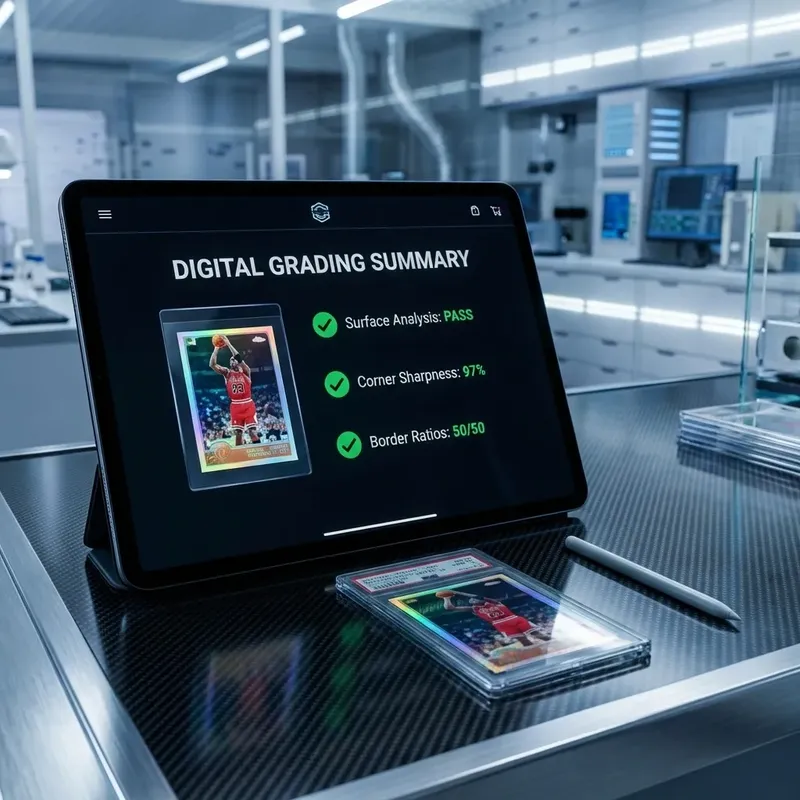
- Pre-screen everything: a single non-gem now wipes out several winners.
Frequently Asked Questions
How does the PSA pause affect card flippers?
Can you still make money grading and flipping cards in 2026?
Should resellers use other graders during the pause?
Sources & Further Reading

Emily Rodriguez analyzes grading cost, population, and pricing data across PSA, BGS, SGC, CGC, and TAG. She built the PreGradeCards ROI calculator and submission planner, and her market reports on grading backlog, turnaround times, and slab premiums are cited by collectors and dealers worldwide.
Create a free account and get 2 free credits — enough for 2 complete AI gradings with market pricing. No credit card required.
Get Your Free Credits →