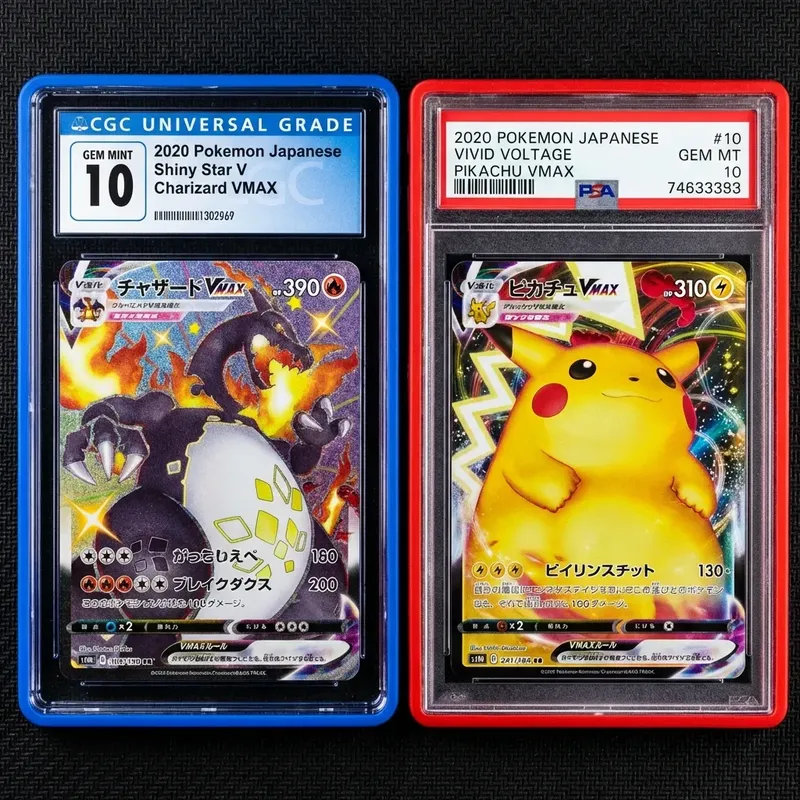
The Short Answer
- The 2026 backlog proved human-paced grading can't scale with demand.
- AI pre-screening lets collectors filter cards before paying rising fees.
- Computer-vision grading (e.g., TAG) offers objective, repeatable scores.
- Automation is the path to higher throughput without sacrificing consistency.
The Capacity Limit Was Reached
2026 made the ceiling visible: even at ~90,000 cards/day and a $200M investment, PSA could not keep pace, and TAG and CGC backed up too. Human graders are the bottleneck — skilled, slow to train, and finite. Throwing bodies at the problem helps, but it does not scale exponentially the way demand does.
AI Pre-Screening: The Demand-Side Fix
The smartest near-term lever is reducing wasteful submissions. AI pre-grading lets collectors score a card's gem probability before paying $79.99 and waiting 50 days. Fewer doomed submissions means a smaller backlog and better ROI. Tools like our AI Grade Calculator exist precisely for this moment.
Computer-Vision Grading: The Supply-Side Fix
On the supply side, computer-vision grading promises objective, repeatable, high-throughput assessment. TAG built its brand on technology-driven, fully itemized grading. As these systems mature, they can grade faster and more consistently than human eyes, attacking the backlog at its source. The open question is market trust — collectors must believe an automated grade is as credible as a human one.
What Comes Next
Expect a hybrid future: AI handles measurement (centering, edges, surface defects) at scale, humans adjudicate edge cases and authentication, and pre-screening keeps low-odds cards out of the queue entirely. The graders who pair automation with a trusted label will define the next decade of the hobby.
Frequently Asked Questions
Will AI replace human card graders?
How does AI help with the grading backlog?
Is automated grading accurate?
Sources & Further Reading
The PreGradeCards Research Team combines machine-learning engineers, grading analysts, and collector-education specialists to produce accurate, data-driven guides on AI card grading, professional grading standards, and collecting strategy.
Create a free account and get 2 free credits — enough for 2 complete AI gradings with market pricing. No credit card required.
Get Your Free Credits →