The Short Answer
- Never wipe, polish, or use chemicals on a card surface
- Blow off loose dust with compressed air or a bulb blower
- Use a clean microfiber cloth only on the card border, never the image surface
- Wash and dry your hands thoroughly before handling cards
- When in doubt, leave the card alone and submit it as-is
The Quick Answer
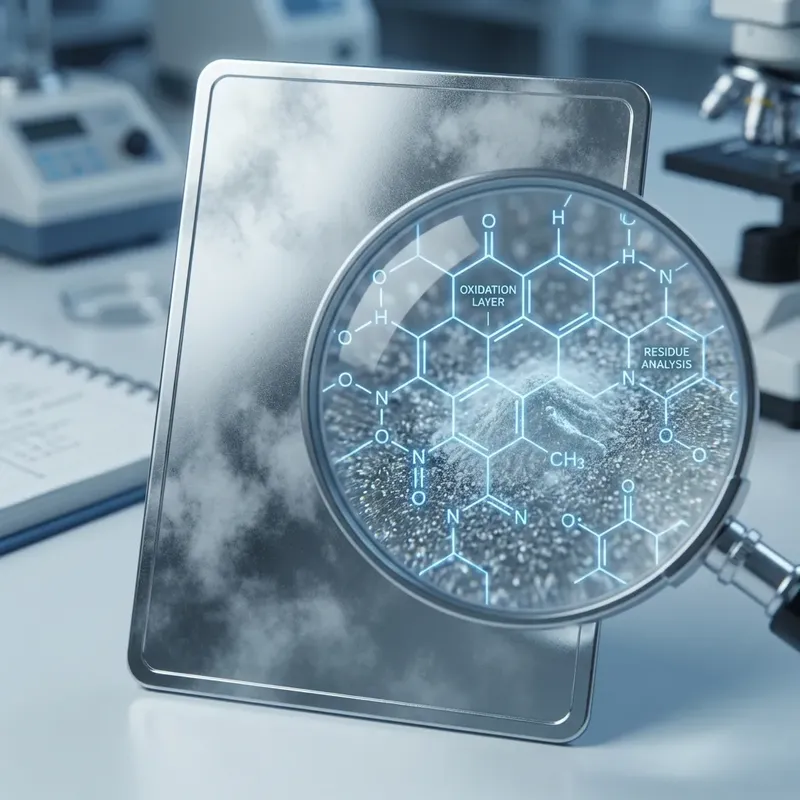
The safest way to clean a card before grading is to remove only loose dust and debris with compressed air or a bulb blower. Do not wipe, rub, polish, or apply any liquid or chemical to the card surface. If a smudge or mark is stuck to the surface, leave it alone. Graders will detect tampering, and an altered designation will destroy the card value.
Safe Cleaning Methods
- Compressed air: Use a short burst of canned air or a bulb blower to remove dust from the surface. Hold the can upright and keep it at least 6 inches away to avoid moisture.
- Soft brush: A clean, anti-static brush can remove lint from the card border. Use very light strokes.
- Microfiber cloth on borders only: A clean, dry microfiber cloth can gently touch the white border to remove fingerprints. Never touch the printed image or holo area.
- Clean hands: Wash and dry your hands thoroughly. Handle cards by the edges only. For high-value cards, use cotton gloves.
What to Avoid
- Wet wipes, alcohol, or cleaning sprays: These can damage the surface, remove gloss, or cause discoloration. Graders detect residue.
- Erasers: A common trick to remove whitening from card borders. Graders often call this alteration and downgrade the card.
- Polishing cloths or abrasives: Anything that rubs the surface can create micro-scratches or alter the finish.
- Adhesive removers: Price sticker residue should be left alone. Adhesive removers can soak into the card and damage it.
- Water: Even a small amount of water can warp the card, stain the surface, or create water spots.
Recommended Cleaning Supplies
- Canned compressed air or rubber bulb blower
- Clean, lint-free microfiber cloth (only for borders)
- Anti-static soft brush
- Clean cotton or nitrile gloves
- Bright LED lamp for inspection
- 10x loupe for close inspection
Keep a dedicated cleaning kit separate from household cleaning supplies to avoid cross-contamination.
Cleaning Workflow
- Prepare the workspace. Clean, flat, dust-free surface. No food, drinks, or pets nearby.
- Inspect first. Use a loupe and lamp to identify dust, lint, or debris. Decide if cleaning is necessary.
- Blow off loose debris. Use compressed air or a bulb blower. Keep the card flat and work in one direction.
- Check borders. If a fingerprint is on the border only, use a microfiber cloth with extremely light pressure. Do not touch the image surface.
- Re-inspect. Look for any changes. If the mark remains, stop and submit the card as-is.
- Store immediately. Place the cleaned card in a new penny sleeve to prevent re-contamination.
When Not to Clean
Do not clean a card if:
- The mark is on the printed image or holo surface.
- The card is vintage (pre-1980) or has a soft, porous surface.
- You are unsure what caused the mark.
- The card has any crease, stain, or embedded dirt.
- You are considering a high-value submission where an altered designation would be catastrophic.
Most of the time, a card is better off with a small speck of dust than with a surface damaged by cleaning. Graders care far more about tampering than they do about minor dust.
Frequently Asked Questions
Can I use a wet cloth to clean a card?
No. Water can warp the card, stain the surface, and leave residue. Graders can detect water damage and may assign an altered or damaged grade.
Can I erase whitening from borders?
No. Using an eraser to whiten borders is considered alteration. Graders will detect the residue and texture change, often resulting in an altered designation.
Is compressed air safe for cards?
Yes, if used correctly. Hold the can upright, keep it 6 inches away, and use short bursts. Do not tilt the can, as propellant moisture can spray onto the card.
Should I clean vintage cards?
Usually no. Vintage cards are more fragile and porous. Cleaning can damage the surface or remove patina. Leave vintage cards alone unless a professional conservator advises otherwise.
Sources & Further Reading
The PreGradeCards Research Team combines machine-learning engineers, grading analysts, and collector-education specialists to produce accurate, data-driven guides on AI card grading, professional grading standards, and collecting strategy.
With submission floors rising, pre-screening is no longer optional. Use our AI Pre-Grade Calculator to score a card's PSA 10 odds before you pay, and the Submission Planner to pick the right tier.