The Short Answer
- Direct PSA submission from Japan is possible but requires customs paperwork and insured shipping
- Pre-grading with AI avoids sending low-potential cards overseas and wasting fees
- Use semi-rigid card holders, bubble wrap, and a sturdy box to protect cards in transit
- Declare the cards as "collectible trading cards" with a realistic declared value for customs
- Return shipping typically takes 2-4 weeks after grading is complete
Pre-Submission Preparation
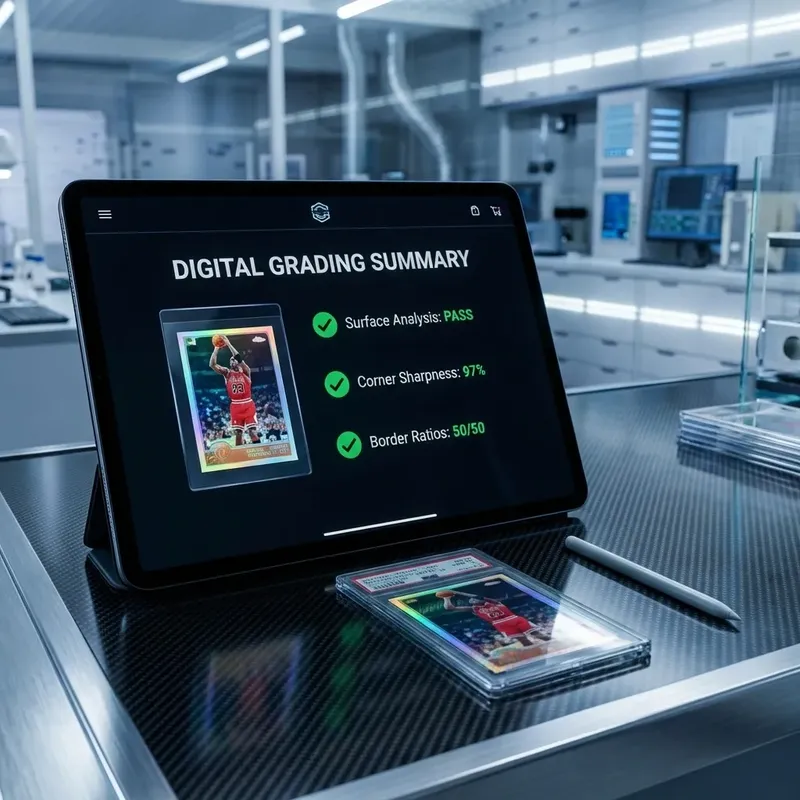
Before you send a single card to PSA, pre-screen every candidate with AI grading. PSA fees are ¥10,000 to ¥50,000 per card depending on tier and turnaround. Sending a card that will come back a PSA 8 or lower is a fast way to lose money.
Use PreGradeCards to scan the front and back of each card. The AI predicts PSA 10 probability and flags centering, corners, edges, and surface issues. Only submit cards with a strong predicted grade, typically 9 or higher, unless the card is extremely valuable even in lower grades.
How to Pack Cards
Proper packaging prevents damage that can destroy value before the card ever reaches PSA. Use clean, semi-rigid card holders for each card. Avoid penny sleeves alone, which offer little protection. Place the semi-rigids between layers of bubble wrap inside a sturdy cardboard box.
Make sure the cards cannot move inside the box. Fill gaps with crumpled paper or extra bubble wrap. Use a box, not a padded envelope, for submissions of more than a few cards.
Shipping and Customs
From Japan, use a tracked international courier such as DHL, FedEx, or Japan Post EMS. Insure the package for the full replacement value of the cards. On the customs declaration, describe the contents as "collectible trading cards" or "hobby trading cards."
Be accurate with declared value. Under-declaring can cause customs delays or confiscation. Over-declaring increases insurance costs and may trigger unnecessary import duties. PSA's return shipment will also go through customs, so the declared value on the return should match the grading invoice.
Tracking and Returns
Keep all tracking numbers and receipts. PSA will provide a tracking number once grading is complete and slabs are shipped back. The total timeline from Japan to PSA and back is typically 6-12 weeks, depending on the service tier and current queue depth.
When the package arrives, inspect each slab immediately for cracks or damage during return transit. Report any issues to PSA and the courier within 48 hours to protect your claim.
Frequently Asked Questions
Can I submit cards directly to PSA from Japan?
How long does PSA grading take from Japan?
What shipping company should I use from Japan?
Do I need to pay Japanese customs on return shipments?
How do I avoid sending low-grade cards?
Sources & Further Reading

The PreGradeCards Research Team combines machine-learning engineers, grading analysts, and collector-education specialists to produce accurate, data-driven guides on AI card grading, professional grading standards, and collecting strategy.
With submission floors rising, pre-screening is no longer optional. Use our AI Pre-Grade Calculator to score a card's PSA 10 odds before you pay, and the Submission Planner to pick the right tier.