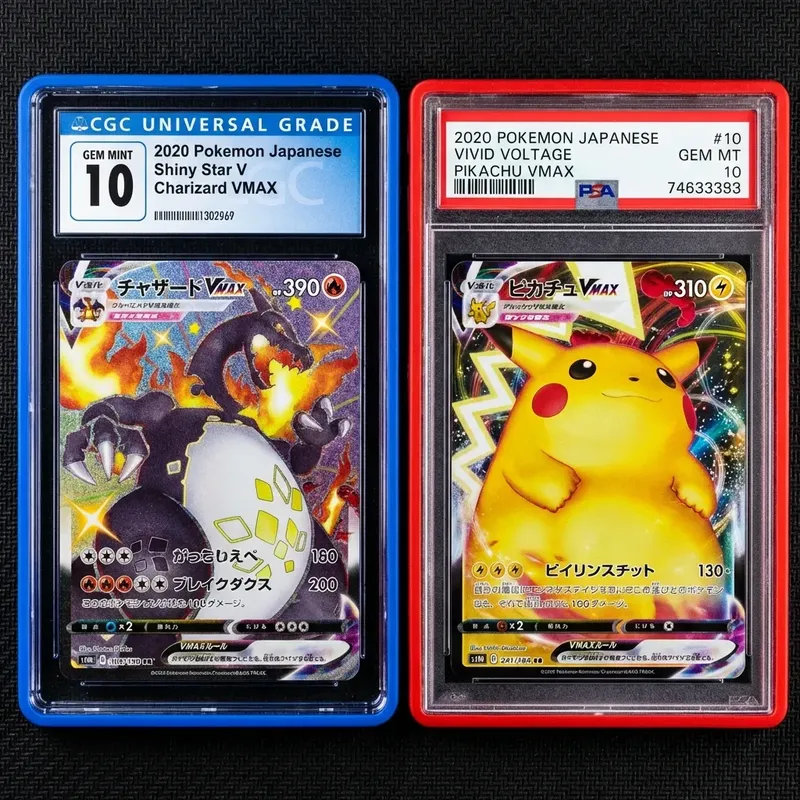
The Short Answer
- Grading shifted from optional to mandatory for serious transactions.
- The slab is now the unit of value, not the raw card.
- Grading created liquidity and price transparency via pop reports.
- The 2026 backlog proves how dependent the market is on graders.
Before the Boom
A decade ago, grading was a niche service mostly used for high-value vintage. Most cards traded raw, condition was negotiated card-by-card, and disputes were common. Grading existed, but it was not the default step in a transaction.
The Slab Became the Unit of Value
Today the graded slab is the unit of value. A "PSA 10" is a price point, not just a condition note. Buyers shop by grade, sellers price by grade, and the raw card is increasingly seen as an input to be converted into a slab. This is why a $79.99 fee and a four-month pause can move the entire market — the slab is the product now.
Liquidity and Trust
Grading's biggest gift was liquidity. Standardized grades plus public pop reports created price transparency, letting cards trade almost like commodities. Buyers trust a third-party label more than a seller's description, which compresses the friction in every transaction and enables a deep secondary market.
The Dependence Risk
The flip side is fragility. When the hobby routes nearly everything through a handful of graders, a capacity event — like 2026's synchronized backlog — ripples through pricing, liquidity, and collector behavior. The market's reliance on grading is both its greatest efficiency and its biggest single point of stress.
Frequently Asked Questions
How did grading change the card hobby?
Why does a grading backlog affect card prices?
Is the hobby too dependent on grading?
Sources & Further Reading
Emily Rodriguez analyzes grading cost, population, and pricing data across PSA, BGS, SGC, CGC, and TAG. She built the PreGradeCards ROI calculator and submission planner, and her market reports on grading backlog, turnaround times, and slab premiums are cited by collectors and dealers worldwide.
Create a free account and get 2 free credits — enough for 2 complete AI gradings with market pricing. No credit card required.
Get Your Free Credits →