Digimon · cards we identify and pre-grade
Digimon Card Identification & AI Grading
The Digimon Card Game has made a major comeback, attracting both nostalgic fans and competitive players. With BT-era sets, Digi-Egg cards, and alternate art secret rares, Digimon cards are a growing grading market. PreGradeCards AI identifies set, level, rarity, and condition to predict PSA, BGS, and CGC grades.
- AI Pre-Grading
- 89% PSA Accuracy
- 40-60% Cost Savings
- PSA BGS · SGC · CGC
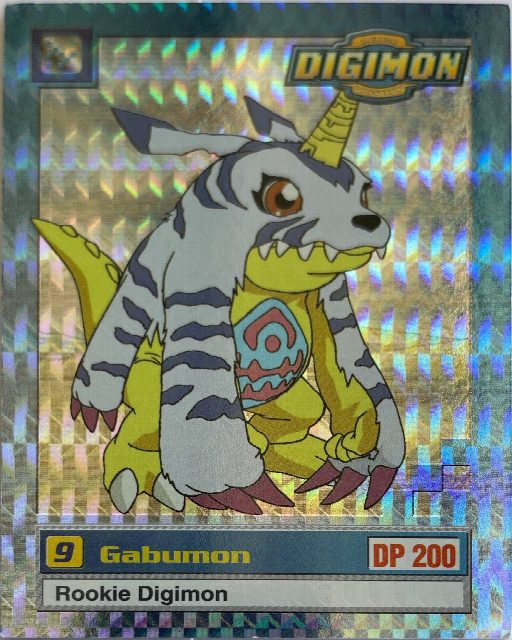

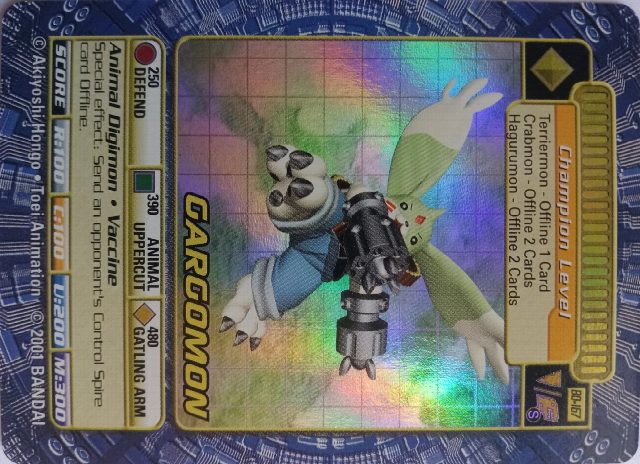
Recently graded in Digimon
Real PreGradeCards reports — open any one for the full grade, sub-grades, centering and live market data.
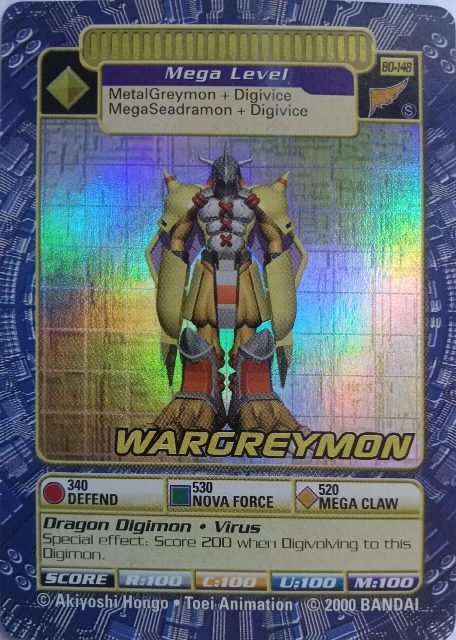
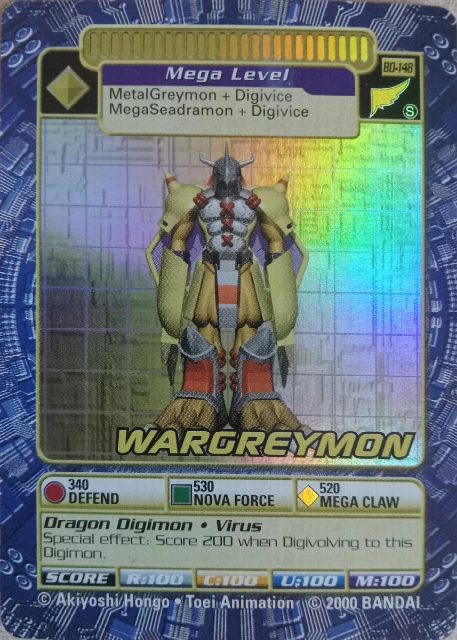
The short answer
PreGradeCards identifies and pre-grades digimon cards from a single photo — reading the player or character, year, set, card number and parallel, then predicting a PSA, BGS, SGC or CGC grade in seconds.
History & market context
Digimon cards originally launched in the late 1990s alongside the digital pet franchise. The modern Digimon Card Game, published by Bandai, launched in Japan in 2020 and globally in 2020-2021. The game uses level-based digivolution mechanics and features classic Digimon like Agumon, Gabumon, and Omnimon. English and Japanese printings have different release schedules and card pools.
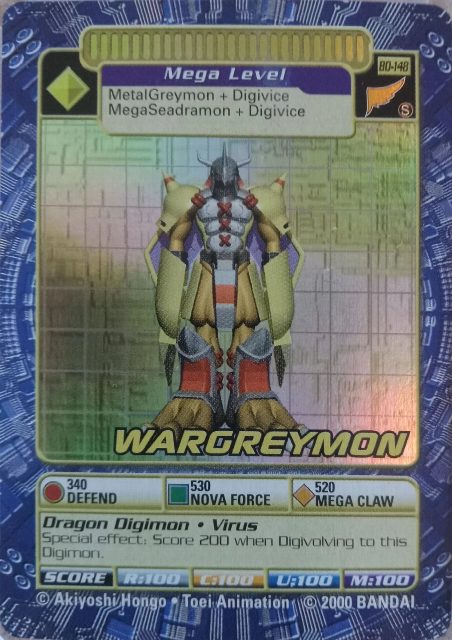
Digimon cards have grown steadily. Alternate art secret rares of Omnimon, WarGreymon, and MetalGarurumon are top collector targets. English 1st edition boxes and cards carry a premium. The market is smaller than Pokémon but has a dedicated fanbase willing to pay for high-grade copies of iconic Digimon.
In 2026, the grading market for Digimon Card Identification & AI Grading remains active. Collectors are submitting vintage staples, modern chase cards, and premium foil variants. The key to success is condition. A card that looks mint to the naked eye may have micro-surface defects, off-centering, or corner wear that drops it from PSA 10 to PSA 9 or lower. AI pre-grading catches these issues before you pay for a professional slab.
Artists, sets & design
Digimon TCG uses art from the original franchise as well as new illustrations. Alternate art secret rares often feature dramatic scenes of Digimon evolution and battle. The card design is clean, with level, color, DP, and play cost information clearly displayed. The game visual identity blends nostalgia with modern TCG design.
Understanding the design history of Digimon Card Identification & AI Grading helps collectors identify valuable variants and avoid counterfeits. Card backs, copyright lines, foil patterns, and border treatments all provide authentication clues. PreGradeCards AI is trained on these visual markers to identify cards accurately from a single photo.
What the AI reads
- Set code and card number
- Digimon, Tamer, Option, and Digi-Egg card types
- Common, Uncommon, Rare, Super Rare, Secret Rare, and Alt-Art
- English and Japanese print identification
- Surface, corner, edge, and centering flaws
Plus a predicted grade range and the specific defects most likely to lower it — before you spend $20–$300 on a professional submission.
Grading deep dive
- Alt-art secret rares have large foil areas prone to scratches
- Digi-Egg cards are small and often handled
- English cards can have centering issues from factory
- Japanese prints may have better stock but different texture
- Modern foils show print lines and dimples
Grading demand by era
Why pre-screen first
Professional grading is expensive, and not every card will earn a premium grade. PSA Regular costs $79.99 per card. If you submit ten cards and only three earn PSA 10, you have wasted $559.93 on the seven lower grades. AI pre-grading at $0.18 per credit lets you test your entire collection first.
The AI filters out the 60-70% of raw cards that are unlikely to earn PSA 10, letting you submit only the strongest candidates. This reduces total grading costs by 40-60% and improves the average grade of your submissions. For collectors and dealers who grade dozens or hundreds of cards per year, the savings can reach thousands of dollars.
AI pre-grading is especially valuable for Digimon Card Identification & AI Grading because of the variety of card types, foil treatments, and print eras. A card from one era may have different condition vulnerabilities than a card from another. The AI accounts for these differences and gives you a targeted pre-screening report.
Frequently asked questions
How does AI pre-grading work for Digimon cards?
The AI scans the card, identifies the set, Digimon, and rarity, then evaluates corners, edges, surface, and centering for a predicted grade.
What Digimon cards are worth grading?
Alt-art secret rares, Omnimon variants, 1st edition chase cards, and Digi-Egg promos are the best candidates.
Is AI pre-grading accurate for Digimon?
PreGradeCards AI matches PSA and CGC grades within one point on 89% of tested cards.
How much does Digimon grading cost?
PSA Regular is $79.99 per card. CGC starts at $15. AI pre-grading is about $0.18 per credit.
What is the biggest grade killer for Digimon cards?
Foil scratches on alt-art cards and corner wear on Digi-Egg cards are the most common issues.
Pre-screen before you submit
Professional grading costs $20–$300 per card. PreGradeCards pre-screens digimon cards so you only submit the copies with real gem potential.
Grade a Digimon card