The Short Answer
- First edition Yu-Gi-Oh! cards are more valuable than unlimited prints.
- Ghost rare, starlight rare, and ultimate rare cards are highly collectible and condition-sensitive.
- OCG cards have different borders, card stock, and rarities than TCG cards.
- Holographic stamps and foils are sensitive to scratches and whitening.
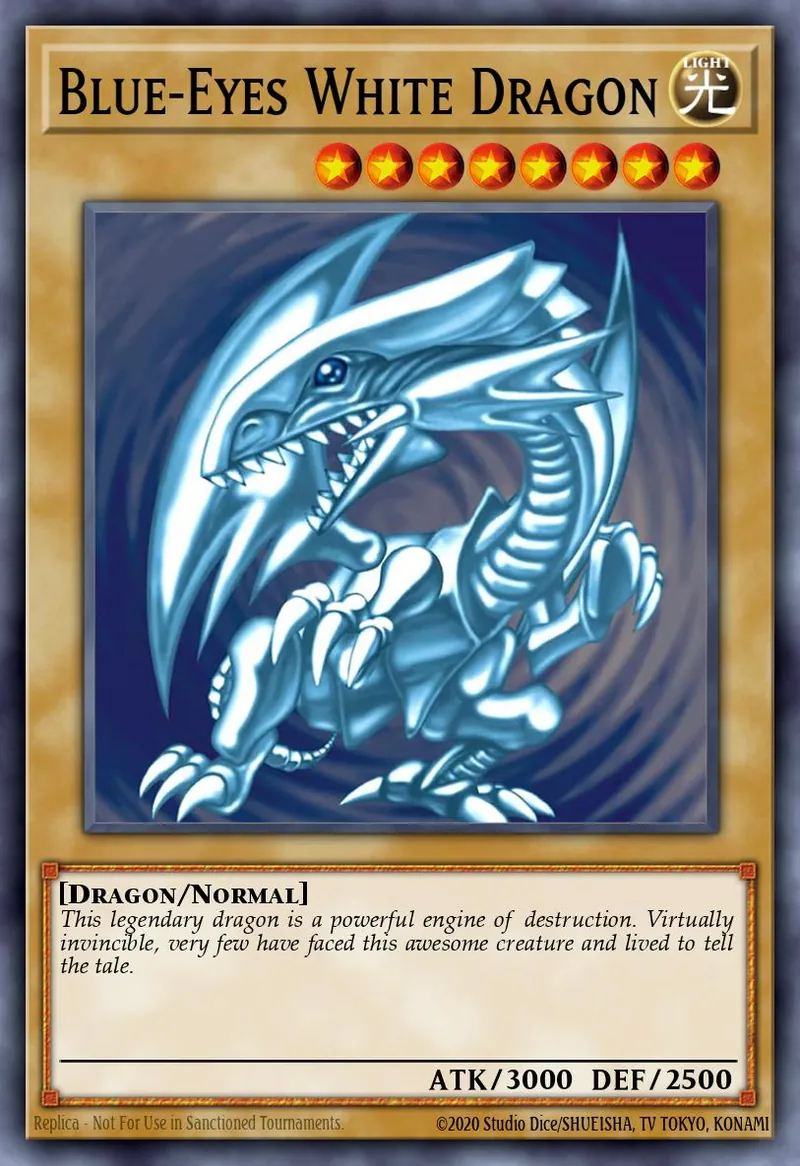
- Blue-Eyes White Dragon and Dark Magician are the most iconic Yu-Gi-Oh! cards.
- AI pre-screening can detect holo scratches, print lines, and first edition stamp issues.
Yu-Gi-Oh! Card Grading Market in 2026
Yu-Gi-Oh! is one of the most popular trading card games in the world, with a massive player base and a strong collector market. The game was created by Kazuki Takahashi and first published in Japan in 1999. The TCG launched in North America in 2002, and the grading market has grown steadily as the original player base has aged into disposable income and nostalgia.
The Yu-Gi-Oh! grading market is different from Pokémon and Magic because it is heavily driven by high rarities and first edition stamps. The most valuable cards are usually the earliest printings of iconic monsters, the rarest foil treatments, and the most competitive cards. PSA, CGC, and BGS all grade Yu-Gi-Oh! cards, with CGC being particularly popular because of its strict standards and detailed labels.
PSA graded approximately 600,000 Yu-Gi-Oh! cards in 2025. The most submitted cards were Blue-Eyes White Dragon, Dark Magician, and ghost rare chase cards. The market is international, with strong demand from North America, Japan, Europe, and Latin America. The OCG market is separate from the TCG market but increasingly important as collectors recognize the value of early Japanese printings.
First Edition vs Unlimited Printings
First edition Yu-Gi-Oh! cards carry a gold stamp in the lower left corner that says 1st Edition. This stamp is the most important factor for value in many Yu-Gi-Oh! sets. First edition cards are printed before unlimited cards and are generally more scarce. The stamp must be crisp, complete, and properly aligned for the card to earn the highest grades. A card with a faded or damaged first edition stamp will be graded lower or noted as having a qualifier.
Unlimited printings do not have the first edition stamp and are generally worth less than first edition copies. The gap can be significant. A first edition Blue-Eyes White Dragon from Legend of Blue-Eyes White Dragon can be worth 5-10x the unlimited version. The first edition stamp is so important that some collectors will not grade unlimited cards unless they are extremely rare or valuable.
The first edition stamp is also a common area for defects. The stamp can be partially missing, smudged, or off-center. The area around the stamp can have print defects or whitening. The AI is trained to inspect the first edition stamp and flag issues that would affect the grade. This is one of the most useful AI features for Yu-Gi-Oh! grading.
Most Valuable Yu-Gi-Oh! Cards to Grade
The Yu-Gi-Oh! market is driven by iconic monsters, competitive cards, and rare foil treatments. The table below shows the most valuable Yu-Gi-Oh! cards to grade, with estimated 2026 market ranges. These ranges are based on auction results, population data, and current market demand.
| Card | Set | PSA 10 Range | PSA 9 Range | Premium |
|---|---|---|---|---|
| Blue-Eyes White Dragon 1st Ed | Legend of Blue-Eyes White Dragon | $3,000 - $8,000 | $600 - $1,500 | ~5x |
| Dark Magician 1st Ed | Legend of Blue-Eyes White Dragon | $2,000 - $5,000 | $400 - $1,000 | ~5x |
| Blue-Eyes White Dragon Ghost Rare | Ghost From the Past | $1,000 - $3,000 | $200 - $500 | ~5x |
| Dark Magician Girl 1st Ed | Magician's Force | $1,500 - $4,000 | $300 - $800 | ~5x |
| Ghost Rare Rainbow Dragon | Phantom Darkness | $800 - $2,000 | $150 - $400 | ~5x |
| Starlight Rare Ash Blossom | 2022 Tin of the Pharaoh's Gods | $600 - $1,500 | $120 - $300 | ~5x |
The first edition Blue-Eyes White Dragon and Dark Magician from Legend of Blue-Eyes White Dragon are the iconic Yu-Gi-Oh! cards. They are the equivalents of the Pokémon Charizard and Magic Black Lotus. The ghost rare and starlight rare treatments are the modern chase cards, with beautiful but fragile surfaces. The premium for PSA 10 over PSA 9 is consistently high because high-grade copies are rare.
PSA, CGC, and BGS Yu-Gi-Oh! Grading Standards
Yu-Gi-Oh! cards are graded by PSA, CGC, and BGS on the same four pillars: centering, corners, edges, and surface. The standards are the same as other TCGs, but Yu-Gi-Oh! cards have unique challenges. The card stock is thinner than Pokémon and Magic cards. The borders are narrow. The holographic areas are large. The first edition stamp is a critical inspection point.
CGC is the most popular grader for Yu-Gi-Oh! cards because of its strict standards and detailed labels. PSA is also widely accepted, especially for international buyers. BGS is less common but used for high-value cards. The resale premium order is generally: PSA 10 > CGC 10 > BGS 9.5 > PSA 9 > CGC 9.5 > raw. CGC 10 is often considered equivalent to or slightly below PSA 10 in the Yu-Gi-Oh! market.
Yu-Gi-Oh! cards have a square corner design. The corners are sharp and should be perfect for PSA 10. Any rounding, whitening, or chipping is a significant deduction. The back of the card has a distinctive pattern, and back centering is evaluated but is usually more forgiving than front centering.
Ghost Rare, Starlight Rare, and Ultimate Rare
Yu-Gi-Oh! has several special foil treatments that are highly collectible and condition-sensitive. Ghost rare cards have holographic artwork and names that are partially transparent. The artwork appears to float over the card background. Ghost rare cards are beautiful but extremely difficult to grade because the entire card surface is holo and the transparent artwork can show scratches easily.
Starlight rare cards have a unique textured pattern with small star-like dots across the surface. The texture is part of the design, but real scratches can still occur. Starlight rare cards are also difficult to photograph because the texture reflects light in many directions. The AI is trained to recognize the intended starlight pattern and distinguish it from actual damage.
Ultimate rare cards have embossed artwork and text. The raised surfaces are prone to wear and can lose their detail over time. A well-preserved ultimate rare card is valuable because the embossing is difficult to maintain. The AI can detect whether the embossing is intact and whether the surface has flattening or wear.
Quarter century secret rare cards and collectors rare cards are other modern high-end treatments. These cards have complex foil patterns and are worth grading if the player is popular or the card is competitive. The AI is updated to recognize these new treatments as they are released.
Centering and Corners on Yu-Gi-Oh! Cards
Centering is a major issue for Yu-Gi-Oh! cards because the borders are narrow. A small misalignment is very visible on a Yu-Gi-Oh! card because the artwork and text boxes take up most of the card. The front centering standard for PSA 10 is 55/45, but many Yu-Gi-Oh! cards fail this standard. The back centering is allowed to be 75/25.
The narrow black borders on Yu-Gi-Oh! cards show corner whitening very easily. The top left and bottom right corners are most commonly damaged. Yu-Gi-Oh! cards are often played with and stored in deck boxes, which causes corner rounding. A tiny touch of whitening can drop a card from PSA 10 to PSA 9. The first edition stamp area is also prone to corner issues because the stamp is in the corner of the card.
Yu-Gi-Oh! Corner Tip
The thin black borders on Yu-Gi-Oh! cards make corner whitening highly visible. Always inspect the corners under magnification, especially the bottom left corner where the first edition stamp is located. The stamp area can have whitening that is hard to see from a distance but obvious under a loupe.
Edge wear is also common on Yu-Gi-Oh! cards because the card stock is thin. The edges are prone to whitening and fraying. Cards that have been played without sleeves often have significant edge wear. The AI can detect edge whitening even when it is subtle, which is important for high-grade submissions.
OCG vs TCG Yu-Gi-Oh! Cards
Yu-Gi-Oh! has two main markets: the OCG (Official Card Game) in Japan and Asia, and the TCG (Trading Card Game) in North America and Europe. The OCG is the original market, and many collectors consider OCG cards to be the true first printings. The TCG has its own card designs and rarities that differ from the OCG.
OCG cards have different borders, card stock, and rarities than TCG cards. Japanese cards are often printed with better card stock and tighter centering than English cards. The rarities are different, with some foil treatments being exclusive to the OCG. The value of OCG cards can be higher or lower than TCG cards depending on the specific card and market demand.
The AI can distinguish OCG from TCG cards by reading the text, borders, and holo patterns. This is important because the grading standards and values are different. A Japanese Blue-Eyes White Dragon may be worth more than the English version, while a Korean version may be worth less. The AI provides the correct market context based on the language and region.
ROI and Investment Outlook for Graded Yu-Gi-Oh! Cards
Yu-Gi-Oh! card grading has strong investment characteristics because of the global player base and the nostalgia of the original anime. The best investments are first edition cards of iconic monsters, rare foil treatments, and OCG first printings. The first edition Blue-Eyes White Dragon has appreciated from hundreds of dollars to thousands of dollars for PSA 10 copies over the past decade.
Modern Yu-Gi-Oh! investing is more speculative. New sets are released frequently, and the competitive meta changes constantly. Cards that are valuable today may be reprinted or banned tomorrow. The safest modern investments are iconic monsters like Blue-Eyes, Dark Magician, and Red-Eyes Black Dragon, which have consistent collector demand regardless of competitive play. Rare foil treatments of these monsters also tend to hold value.
AI pre-screening improves Yu-Gi-Oh! ROI by helping collectors avoid wasting grading fees on cards with first edition stamp issues, holo scratches, or poor centering. Because the PSA 10 premium is high, the difference between a gem and a non-gem is often the entire profit margin. A collector who submits 50 raw Blue-Eyes White Dragons without pre-screening might get 15 PSA 10s. With AI pre-screening, the same collector might identify 25 strong candidates and sell the rest raw.
What to Submit for Yu-Gi-Oh! Card Grading
Use this checklist to decide which Yu-Gi-Oh! cards are worth grading in 2026.
- Submit: First edition cards from Legend of Blue-Eyes White Dragon and other early sets.
- Submit: Iconic monster cards including Blue-Eyes White Dragon, Dark Magician, and Red-Eyes Black Dragon.
- Submit: Ghost rare, starlight rare, and ultimate rare chase cards.
- Submit: OCG first printings of iconic cards and rare rarities.
- Do not submit: Unlimited common cards or cards with no collector demand.
- Do not submit: Cards with first edition stamp issues, holo scratches, or poor centering.
- Pre-screen first: Use AI or a magnifier to check the first edition stamp, holo surface, and centering before paying grading fees.
The Yu-Gi-Oh! market reacts to new set releases, anime anniversaries, and competitive tournaments. The 25th anniversary in 2023-2024 drove significant demand for vintage and commemorative cards. Iconic monster cards tend to have the most stable demand over time.
Frequently Asked Questions
What is the most valuable Yu-Gi-Oh! card to grade?
How do I tell OCG from TCG Yu-Gi-Oh! cards?
Are ghost rare cards hard to grade?
What causes Yu-Gi-Oh! cards to lose grades?
How much does it cost to grade a Yu-Gi-Oh! card?
What is the PSA 10 premium for Yu-Gi-Oh! cards?
Sources & Further Reading
The PreGradeCards Research Team combines machine-learning engineers, grading analysts, and collector-education specialists to produce accurate, data-driven guides on AI card grading, professional grading standards, and collecting strategy.
With submission floors rising, pre-screening is no longer optional. Use our AI Pre-Grade Calculator to score a card's PSA 10 odds before you pay, and the Submission Planner to pick the right tier.