The Short Answer
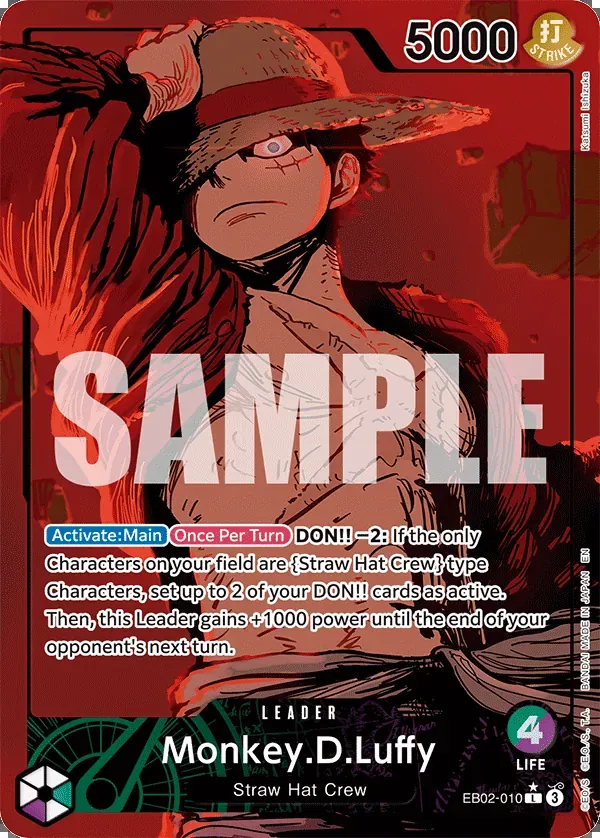
- One Piece TCG has leader cards, alt-art leaders, and parallel rarities.
- Alt-art cards have full-art surfaces that show scratches easily.
- Leader cards are the most valuable non-parallel cards to grade.
- Japanese and English OPTCG cards have different card stock and demand.
- Manga panel cards are the rarest and most collectible chase cards.
- AI pre-screening can identify alt-art surface defects and centering issues.
One Piece TCG Grading Market in 2026
The One Piece Trading Card Game launched in 2022 and quickly became one of the most popular new TCGs. It combines the global popularity of the One Piece anime and manga with a competitive card game designed by some of the same creators behind the Dragon Ball Super Card Game. The game has attracted both competitive players and anime collectors, creating a strong grading market.
PSA, CGC, and BGS all grade One Piece TCG cards. The market is driven by alt-art leader cards, manga panel chase cards, and popular characters like Monkey D. Luffy, Roronoa Zoro, Vinsmoke Sanji, and Red-Haired Shanks. The Japanese market is particularly important for One Piece because the manga is one of the best-selling series of all time and the game originated in Japan.
One Piece TCG cards are printed on high-quality card stock with a distinctive design. The leader cards have a vertical layout and alternate art versions that extend the artwork across the entire card. The parallel rarities include don parallel, event parallel, and special art versions. The most valuable cards are the manga panel cards, which feature black-and-white manga artwork and are extremely rare.
One Piece TCG Rarities and Card Types
The One Piece TCG uses a rarity system that includes Common, Uncommon, Rare, Super Rare, Secret Rare, and Alt-Art. The card types include Leader, Character, Event, Stage, and Don. Leader cards are the most important because every deck requires one and they have unique alt-art versions that are highly collectible.
Alt-art cards are the chase cards of the One Piece TCG. They feature full-art illustrations that extend to the edges of the card. The alt-art leaders are the most valuable because they are both playable and collectible. The special art versions and manga panel versions are even rarer and command higher premiums. Don cards also have parallel versions, though they are generally less valuable than character and leader cards.
The manga panel cards are a unique feature of the One Piece TCG. They feature black-and-white artwork taken directly from the manga. These cards are extremely rare and are often the most valuable cards in each set. The manga panel cards are also difficult to grade because the artwork is full-bleed and any surface defect is highly visible.
Most Valuable One Piece TCG Cards to Grade
The One Piece TCG market is driven by character popularity and rarity. The table below shows the most valuable One Piece TCG cards to grade, with estimated 2026 market ranges. These ranges are based on auction results, pull rates, and current demand. They are highly volatile as the game is still relatively new.
| Card | Set | PSA 10 Range | PSA 9 Range | Premium |
|---|---|---|---|---|
| Luffy Alt-Art Leader | OP-01 Romance Dawn | $800 - $2,000 | $150 - $400 | ~5x |
| Zoro Alt-Art Leader | OP-01 Romance Dawn | $600 - $1,500 | $120 - $300 | ~5x |
| Shanks Manga Panel | OP-01 Romance Dawn | $1,000 - $3,000 | $200 - $600 | ~5x |
| Luffy Gear 5 Alt-Art | OP-05 Awakening of the New Era | $500 - $1,200 | $100 - $250 | ~5x |
| Nico Robin Manga Panel | OP-02 Paramount War | $400 - $1,000 | $80 - $200 | ~5x |
| Trafalgar Law Alt-Art | OP-03 Pillars of Strength | $300 - $800 | $60 - $150 | ~5x |
The alt-art leaders from the first set, OP-01 Romance Dawn, are the foundation of the graded One Piece market. The Luffy and Zoro alt-art leaders are the most iconic. Manga panel cards are rarer and often more valuable because of the unique artwork and low pull rates. The Gear 5 Luffy cards from the Awakening of the New Era set represent the current generation of chase cards.
PSA, CGC, and BGS One Piece TCG Grading Standards
One Piece TCG cards are graded by PSA, CGC, and BGS on the same four pillars: centering, corners, edges, and surface. The standards are the same as other TCGs, but the card design creates unique challenges. The alt-art cards have full-bleed artwork that extends to the edges, making surface defects and corner issues more visible. The manga panel cards have black-and-white artwork that shows scratches very easily.
CGC is the most popular grader for One Piece TCG cards because of its strict standards and the anime collector audience. PSA is also widely accepted, especially for international buyers. BGS is less common but used for high-value cards. The resale premium order is generally: PSA 10 > CGC 10 > BGS 9.5 > PSA 9 > CGC 9.5 > raw. PSA 10 is the gold standard for the international market.
The card stock for One Piece TCG is thicker than Yu-Gi-Oh! but similar to Lorcana. The corners are sharp and should be perfect for PSA 10. The back of the card has a distinctive design with the One Piece logo and card information. Back centering is evaluated but is usually more forgiving than front centering.
Alt-Art and Manga Panel Cards
Alt-art cards are the chase cards of the One Piece TCG. They feature full-art illustrations that replace the standard card frame with extended artwork. The artwork covers the entire front of the card, which means there is no border to protect the edges. Any surface defect, corner whitening, or edge wear is immediately visible on an alt-art card.
The texture on alt-art cards is also a grading consideration. The special art and manga panel cards have unique foil treatments and textures that are part of the design. The AI must distinguish between the intended texture and actual damage. This is particularly challenging for manga panel cards, which have a matte black-and-white finish that shows scratches and fingerprints easily.
Manga panel cards are the rarest chase cards in the One Piece TCG. They feature black-and-white artwork taken directly from the manga. The cards are printed with a special finish that makes them look like pages from the manga. This finish is beautiful but condition-sensitive. A single scratch on a manga panel card can be very visible because the artwork is monochrome. PSA 10 manga panel cards are extremely rare and valuable.
Centering and Corners on One Piece TCG Cards
Centering is a major issue for One Piece TCG cards because the card design emphasizes the artwork. The alt-art cards have full-bleed artwork, so centering is evaluated based on the alignment of the artwork and the visible card edges. The standard is 55/45 for PSA 10, but the narrow borders on non-alt cards make centering deviations very visible.
The corners on One Piece TCG cards are sharp and should be perfect for PSA 10. The cards are printed on thicker stock than Yu-Gi-Oh! cards, which makes corner damage more visible. The bottom corners are most commonly damaged because they are the corners collectors handle first. A small touch of whitening on a corner can drop the card from PSA 10 to PSA 9.
One Piece TCG Surface Tip
Alt-art cards have no border, so the surface extends to the edge of the card. Always handle alt-art cards by the edges and never touch the artwork area. The matte and textured finishes can show fingerprints and micro-scratches that are invisible on regular cards. Use a magnifier to inspect the surface before submitting.
Edge wear is also common on One Piece TCG cards. The thicker stock makes edge chipping more visible, especially on dark-bordered cards. The cards are often pulled from packs and immediately placed in sleeves, which can cause edge damage if not done carefully. Inspect the entire edge before submitting.
Japanese vs English One Piece TCG Cards
The One Piece TCG has separate markets for Japanese and English cards. The Japanese market is the original market, and Japanese cards often have better card stock and print quality. The English market has a larger collector base outside Japan and is more liquid for international buyers. Both markets are active, but the values can differ significantly for the same card.
Japanese cards are often preferred by competitive players because they are released first and have the latest card designs. English cards are preferred by collectors who want to read the card text and participate in the international market. The AI can distinguish Japanese from English cards by reading the text and set symbols. This is important for pricing and grading context.
Some collectors believe Japanese cards have better centering and surface quality than English cards. This can make PSA 10 more achievable on Japanese cards for the same printing. However, English cards sometimes have higher resale premiums because the English-speaking market is larger. The choice between Japanese and English cards depends on the collector goals and market timing.
ROI and Investment Outlook for Graded One Piece TCG Cards
One Piece TCG grading has strong investment characteristics because the game is new and the collector base is growing. The best investments are the first-edition Japanese cards and the English chase cards from the earliest sets. The alt-art Luffy and Zoro leaders from OP-01 are the foundation cards of the market, similar to the Base Set Charizard for Pokémon.
The risk with One Piece TCG investing is that the game is new and its long-term competitive future is uncertain. If the game remains popular, the early chase cards could appreciate significantly. If the game fades, the cards could lose value. The safest investments are the most iconic characters and the rarest treatments, because these have collector demand independent of competitive play.
AI pre-screening improves One Piece TCG ROI by helping collectors identify the best alt-art and manga panel candidates. Because the PSA 10 premium is high and the cards are condition-sensitive, pre-screening is essential before submitting expensive cards. A collector who submits 20 raw alt-art Luffy leaders without pre-screening might get 6 PSA 10s. With AI pre-screening, the same collector might identify 10 strong candidates and sell the rest raw.
What to Submit for One Piece TCG Grading
Use this checklist to decide which One Piece TCG cards are worth grading in 2026.
- Submit: Alt-art leader cards from any set, especially Luffy and Zoro.
- Submit: Manga panel chase cards of popular characters.
- Submit: Special art and rare parallel cards of popular characters.
- Submit: First-edition Japanese cards in high grades.
- Do not submit: Common cards, uncommon cards, or cards of minor characters.
- Do not submit: Cards with visible surface scratches, corner whitening, or poor centering.
- Pre-screen first: Use AI or a magnifier to check the alt-art surface and centering before paying grading fees.
The One Piece TCG market is driven by anime milestones, new set releases, and tournament results. The 25th anniversary of the manga and the ongoing anime have created sustained interest. The best time to sell graded cards is during major One Piece events or when a new set drives attention to earlier cards.
Frequently Asked Questions
What are the most valuable One Piece TCG cards to grade?
Are Japanese or English One Piece cards better for grading?
What causes OPTCG cards to lose grades?
Can AI identify One Piece TCG card rarities?
How much does it cost to grade a One Piece TCG card?
What is the PSA 10 premium for One Piece TCG cards?
Sources & Further Reading
The PreGradeCards Research Team combines machine-learning engineers, grading analysts, and collector-education specialists to produce accurate, data-driven guides on AI card grading, professional grading standards, and collecting strategy.
With submission floors rising, pre-screening is no longer optional. Use our AI Pre-Grade Calculator to score a card's PSA 10 odds before you pay, and the Submission Planner to pick the right tier.