Magic: The Gathering · Karten, die wir erkennen und vorprüfen
Identifizierung und KI-Vorprüfung von Magic: The Gathering-Karten
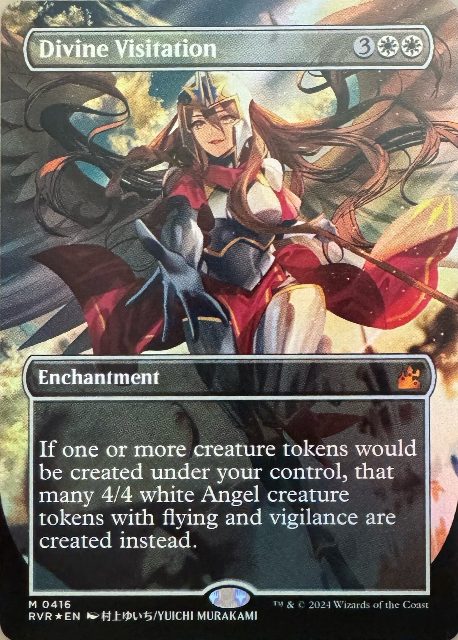
Magic: The Gathering is the oldest and most valuable trading card game. From Alpha and Beta in 1993 to Modern Horizons and serialized cards in 2026, MTG has created a multi-billion-dollar collectibles market. PreGradeCards AI identifies set symbol, expansion, rarity, foil type, border style, and condition to predict PSA, BGS, and CGC grades before you spend professional grading fees.
- AI Pre-Grading
- 89% PSA Accuracy
- 40-60% Cost Savings
- PSA BGS · SGC · CGC
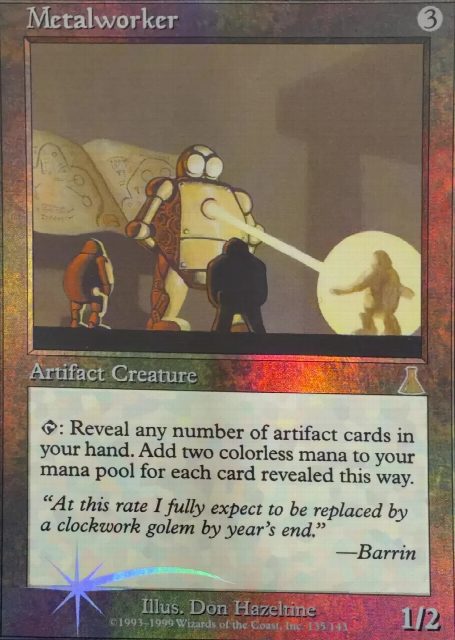
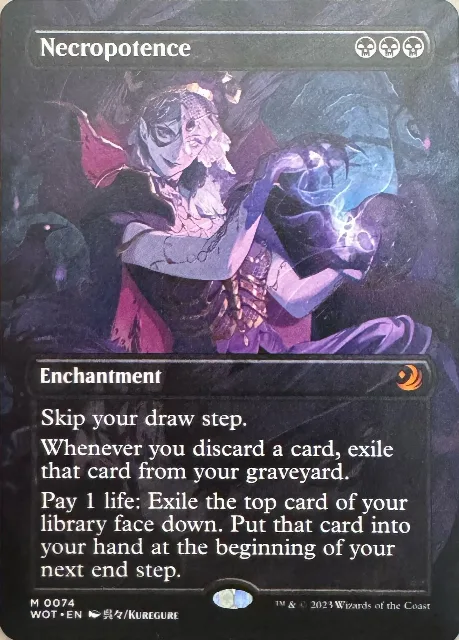
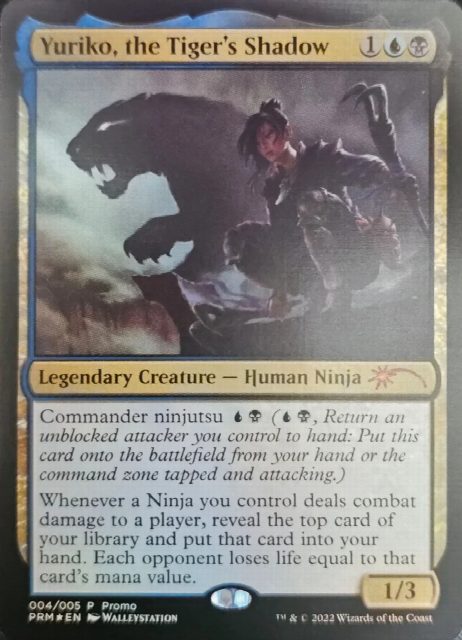
Kürzlich geprüft in Magic: The Gathering
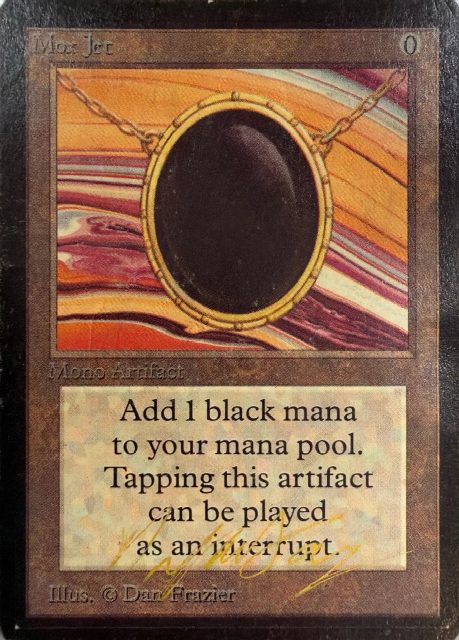
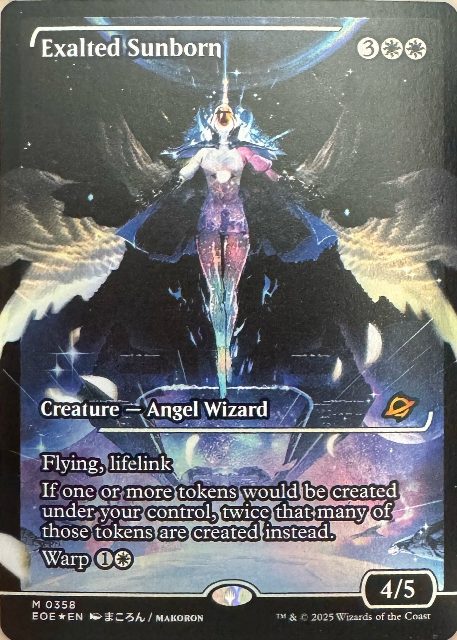
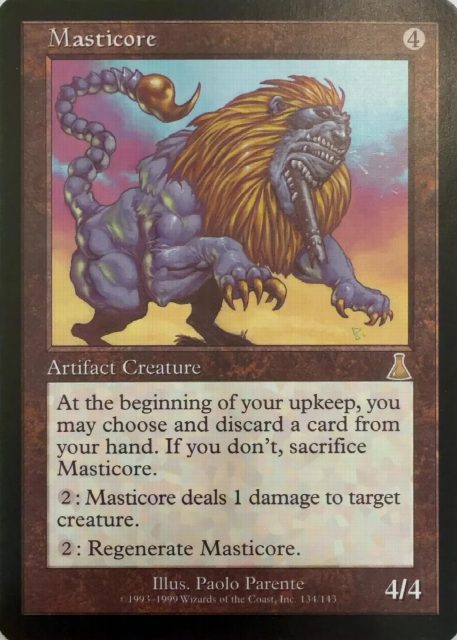
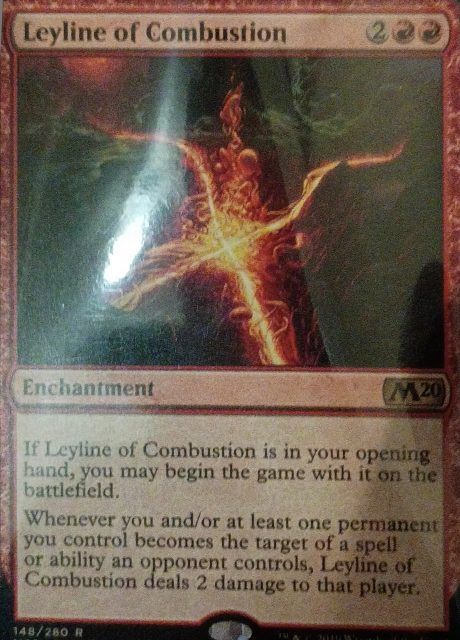
Echte PreGradeCards-Berichte — öffne einen für die vollständige Note, Teilnoten, Zentrierung und Live-Marktdaten.
Die kurze Antwort
PreGradeCards identifies and pre-grades magic: the gathering cards from a single photo — reading the player or character, year, set, card number and parallel, then predicting a PSA, BGS, SGC or CGC grade in seconds.
Geschichte und Marktkontext
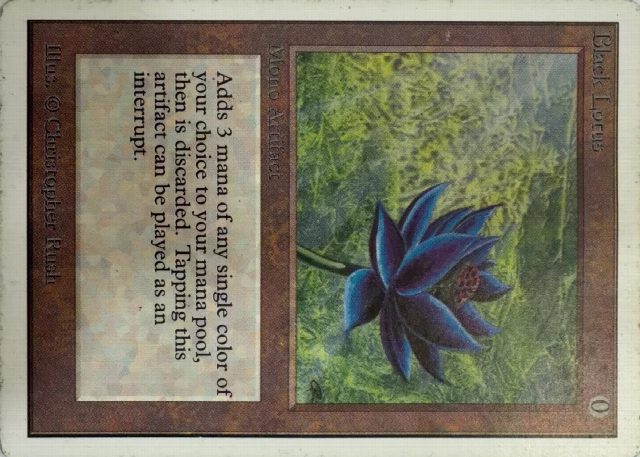
Richard Garfield designed Magic: The Gathering, published by Wizards of the Coast in 1993. The Alpha and Beta print runs were tiny by modern standards, making those cards the most valuable in the hobby. The Reserved List, a Wizards promise to never reprint certain cards, created a permanent scarcity premium for cards like Black Lotus and the Power Nine. Commander, Modern, Legacy, and Pioneer formats drive ongoing demand for both old and new cards.
MTG cards can reach six and seven figures in high grades. A PSA 9 Alpha Black Lotus sold for $511,000, and serialized cards from sets like The Lord of the Rings: Tales of Middle-earth have created a new premium tier. The market is split between vintage investment cards, Reserved List staples, and modern chase cards including alternate arts, borderless treatments, and serialized one-of-ones.
In 2026, the grading market for Magic: The Gathering Card Identification & AI Grading remains active. Collectors are submitting vintage staples, modern chase cards, and premium foil variants. The key to success is condition. A card that looks mint to the naked eye may have micro-surface defects, off-centering, or corner wear that drops it from PSA 10 to PSA 9 or lower. AI pre-grading catches these issues before you pay for a professional slab.
Künstler, Sets und Design
Magic has featured thousands of artists over three decades. Christopher Rush painted the original Black Lotus, while Rebecca Guay, Terese Nielsen, and John Avon are fan favorites for their distinctive landscapes and fantasy art. Modern sets use a mix of in-house and freelance artists, with special guest artists from popular media franchises creating crossover demand for Universes Beyond products.
Understanding the design history of Magic: The Gathering Card Identification & AI Grading helps collectors identify valuable variants and avoid counterfeits. Card backs, copyright lines, foil patterns, and border treatments all provide authentication clues. PreGradeCards AI is trained on these visual markers to identify cards accurately from a single photo.
Was die KI liest
- Set symbol and expansion symbol
- Alpha, Beta, Unlimited, and Revised borders
- Foil, etched, and borderless treatments
- Reserved List and legendary card detection
- Surface, corner, edge, and centering analysis
Dazu eine erwartete Notenspanne und die konkreten Mängel, die sie am wahrscheinlichsten senken — bevor du 20–300 $ für eine professionelle Einreichung ausgibst.
Bewertungsanalyse
- Vintage cards have poor centering and rough edges from factory cutting
- Foil cards can curl and develop surface scratches
- White-bordered cards show edge wear more prominently
- Serialized cards require pristine handling due to high value
- Modern full-art foils need careful surface inspection
Bewertungsnachfrage nach Epoche
Warum zuerst vorprüfen
Professional grading is expensive, and not every card will earn a premium grade. PSA Regular costs $79.99 per card. If you submit ten cards and only three earn PSA 10, you have wasted $559.93 on the seven lower grades. AI pre-grading at $0.18 per credit lets you test your entire collection first.
The AI filters out the 60-70% of raw cards that are unlikely to earn PSA 10, letting you submit only the strongest candidates. This reduces total grading costs by 40-60% and improves the average grade of your submissions. For collectors and dealers who grade dozens or hundreds of cards per year, the savings can reach thousands of dollars.
AI pre-grading is especially valuable for Magic: The Gathering Card Identification & AI Grading because of the variety of card types, foil treatments, and print eras. A card from one era may have different condition vulnerabilities than a card from another. The AI accounts for these differences and gives you a targeted pre-screening report.
Häufige Fragen
How does AI pre-grading work for Magic cards?
The AI scans the card, identifies the set, rarity, and foil type, then evaluates corners, edges, surface, and centering for a predicted grade.
What MTG cards are worth grading?
Alpha and Beta cards, Reserved List staples, Power Nine, serialized cards, and premium foil alternate arts are the strongest candidates.
Is AI pre-grading accurate for Magic?
PreGradeCards AI matches PSA and BGS grades within one point on 89% of tested cards.
How much does MTG grading cost?
PSA Regular is $79.99 per card. BGS is $20-35. AI pre-grading is about $0.18 per credit.
What is the biggest grade killer for Magic cards?
Vintage centering issues, foil curling, and edge whitening on white-bordered cards are the most common problems.
Vorprüfen, bevor du einreichst
Professionelle Bewertung kostet 20–300 $ pro Karte. PreGradeCards prüft magic: the gathering-Karten vor, damit du nur die Exemplare einreichst, die echtes Gem-Potenzial haben.
Eine Magic: The Gathering-Karte vorprüfen