Baseball · carte che identifichiamo e pre-valutiamo
Identificazione e pre-valutazione IA delle carte Baseball
Baseball cards are the foundation of the sports card hobby. From the T206 Honus Wagner tobacco cards of the early 1900s to the 1952 Topps Mickey Mantle and modern Bowman 1st prospects, baseball cards have produced the most valuable sports cards in history. PreGradeCards AI identifies year, set, manufacturer, player, and condition to predict PSA, BGS, and SGC grades before you spend professional fees.
- AI Pre-Grading
- 89% PSA Accuracy
- 40-60% Cost Savings
- PSA BGS · SGC · CGC
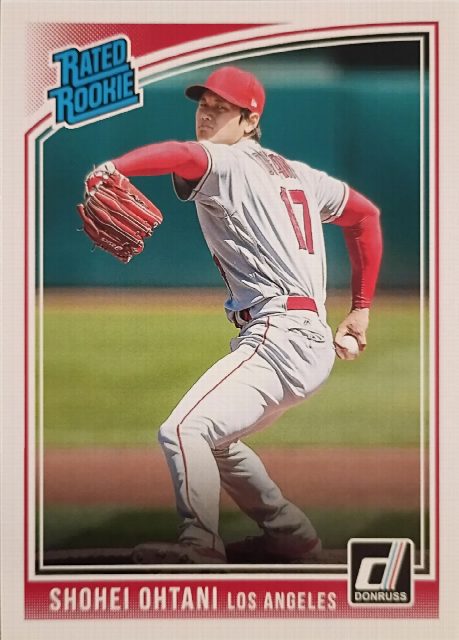
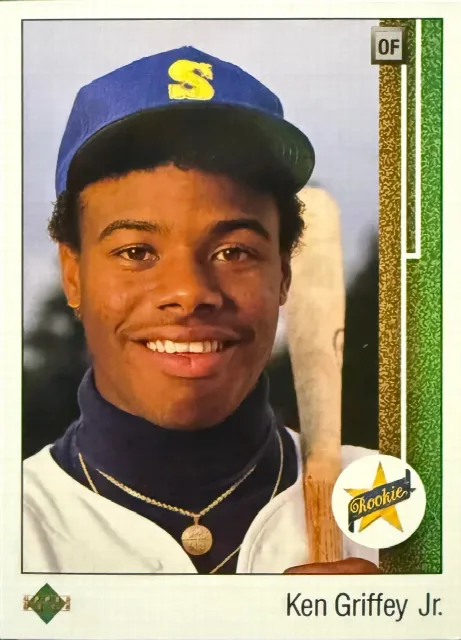
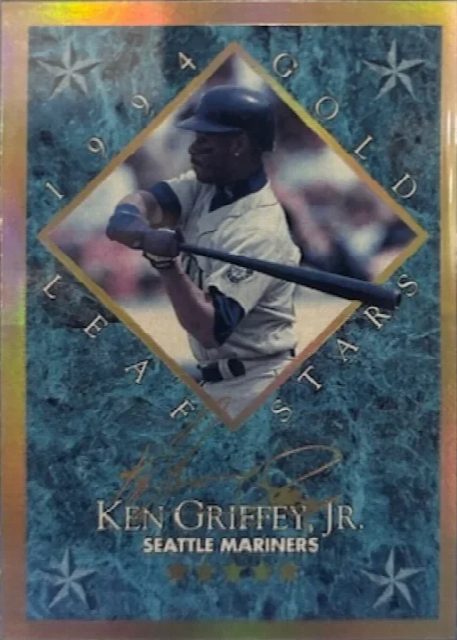
Valutate di recente in Baseball
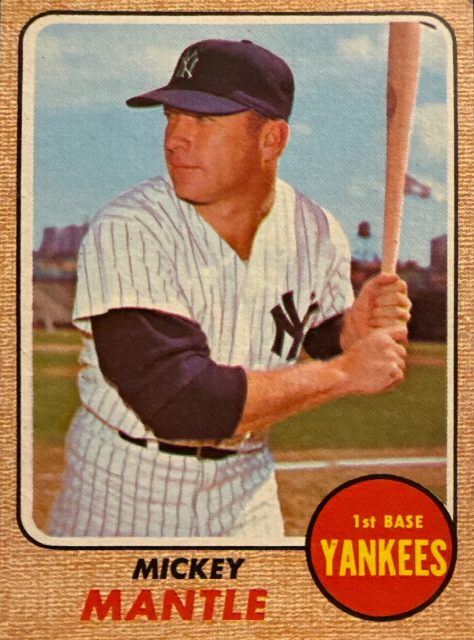
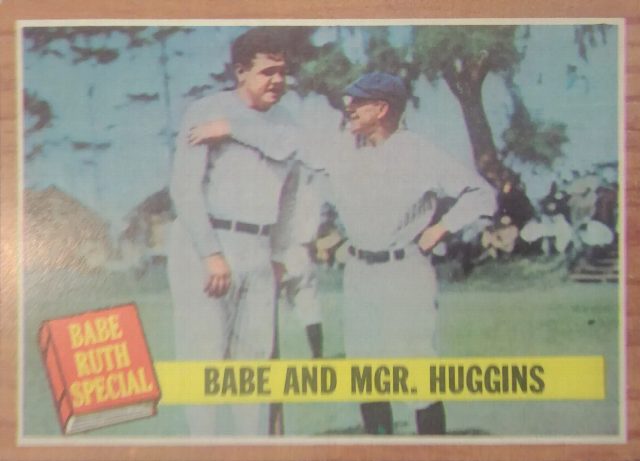
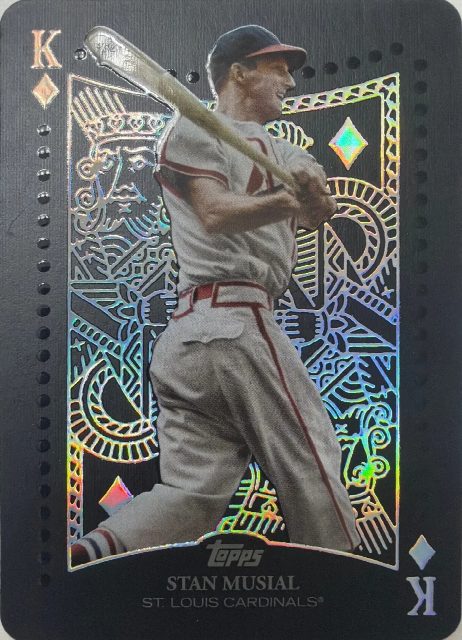
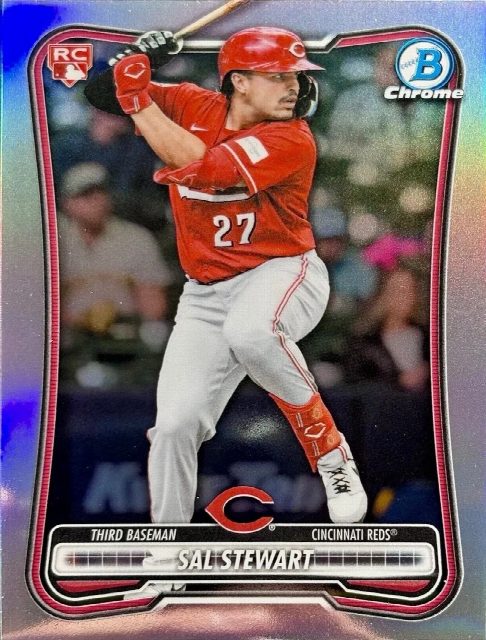
Report reali di PreGradeCards: aprine uno per il voto completo, i sotto-voti, la centratura e i dati di mercato in tempo reale.
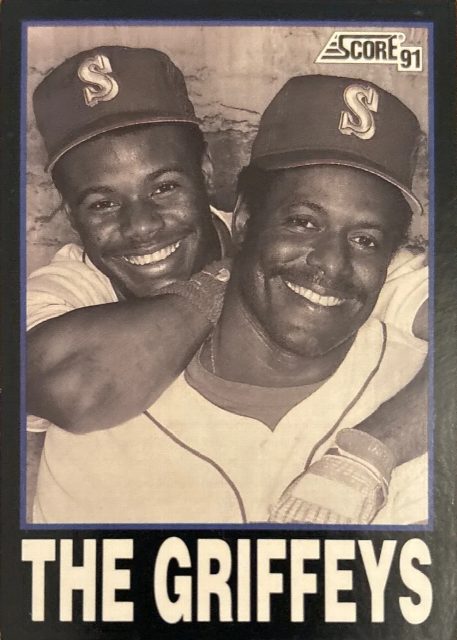
La risposta breve
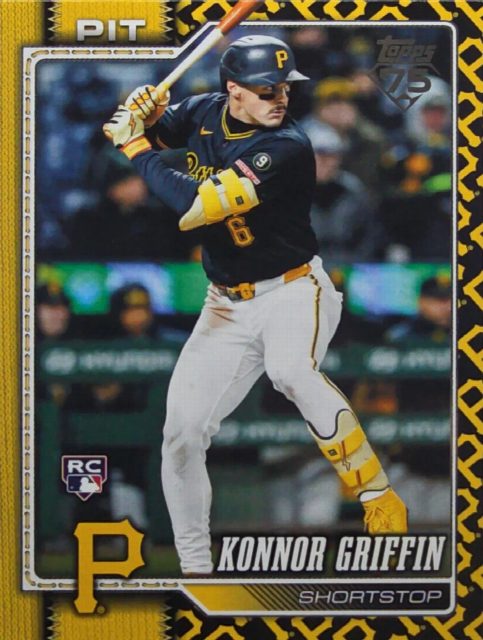
PreGradeCards identifies and pre-grades baseball cards from a single photo — reading the player or character, year, set, card number and parallel, then predicting a PSA, BGS, SGC or CGC grade in seconds.
Storia e contesto di mercato
Baseball cards began as tobacco inserts in the late 1800s and became a standalone product in the early 1900s. The T206 set is the most famous tobacco issue, featuring Wagner, Ty Cobb, and Christy Mathewson. The modern hobby began with Bowman and Topps in the 1950s, with the 1952 Topps Mickey Mantle becoming the most iconic post-war card. The 1980s and 1990s overproduction created the "junk wax" era, while modern products use numbered parallels, autographs, and memorabilia to create scarcity.
Baseball cards remain the highest-value sports card category. A 1909 T206 Wagner sold for over $6 million, and a 1952 Topps Mickey Mantle PSA 9 sold for $5.2 million. Modern Bowman 1st prospect cards can spike from a few dollars to hundreds or thousands when a player makes their MLB debut. The market is driven by Hall of Fame players, rookie cards, and condition.
In 2026, the grading market for Baseball Card Identification & AI Grading remains active. Collectors are submitting vintage staples, modern chase cards, and premium foil variants. The key to success is condition. A card that looks mint to the naked eye may have micro-surface defects, off-centering, or corner wear that drops it from PSA 10 to PSA 9 or lower. AI pre-grading catches these issues before you pay for a professional slab.
Artisti, set e design
Baseball cards originally used photographs and simple lithographic designs. Topps introduced painted portraits in the 1950s and 1960s, with artists like Gerry Dvorak and Bob Laughlin. Modern cards use high-resolution photography, action shots, and a variety of foil and die-cut treatments.
Understanding the design history of Baseball Card Identification & AI Grading helps collectors identify valuable variants and avoid counterfeits. Card backs, copyright lines, foil patterns, and border treatments all provide authentication clues. PreGradeCards AI is trained on these visual markers to identify cards accurately from a single photo.
Cosa legge l’IA
- Year, set, and manufacturer
- Player name and team
- Base, parallel, refractor, and autograph
- Card number and card back design
- Surface, corner, edge, and centering flaws
In più, un intervallo di voto previsto e i difetti specifici che più probabilmente lo abbassano — prima di spendere 20–300 $ per un invio professionale.
Analisi della valutazione
- Vintage cards often have poor centering and soft corners
- Chrome cards are prone to surface scratches
- Bowman 1st cards are frequently handled by young collectors
- Tobacco cards may have staining and creases
- Modern parallels can have print lines
Domanda di valutazione per epoca
Perché pre-valutare prima
Professional grading is expensive, and not every card will earn a premium grade. PSA Regular costs $79.99 per card. If you submit ten cards and only three earn PSA 10, you have wasted $559.93 on the seven lower grades. AI pre-grading at $0.18 per credit lets you test your entire collection first.
The AI filters out the 60-70% of raw cards that are unlikely to earn PSA 10, letting you submit only the strongest candidates. This reduces total grading costs by 40-60% and improves the average grade of your submissions. For collectors and dealers who grade dozens or hundreds of cards per year, the savings can reach thousands of dollars.
AI pre-grading is especially valuable for Baseball Card Identification & AI Grading because of the variety of card types, foil treatments, and print eras. A card from one era may have different condition vulnerabilities than a card from another. The AI accounts for these differences and gives you a targeted pre-screening report.
Domande frequenti
How does AI pre-grading work for baseball cards?
The AI scans the card, identifies the year, set, player, and manufacturer, then evaluates corners, edges, surface, and centering for a predicted grade.
What baseball cards are worth grading?
Vintage Hall of Famers, 1952 Topps, Bowman 1st prospects, Topps Chrome rookies, and T206 cards are the best candidates.
Is AI pre-grading accurate for baseball?
PreGradeCards AI matches PSA, BGS, and SGC grades within one point on 89% of tested cards.
How much does baseball card grading cost?
PSA Regular is $79.99 per card. SGC starts at $15. AI pre-grading is about $0.18 per credit.
What is the biggest grade killer for baseball cards?
Corner and edge wear on vintage cards, and surface scratches on Chrome and modern cards are the most common issues.
Pre-valuta prima di inviare
La valutazione professionale costa 20–300 $ per carta. PreGradeCards pre-valuta le carte baseball così invii solo le copie con vero potenziale gem.
Pre-valuta una carta Baseball