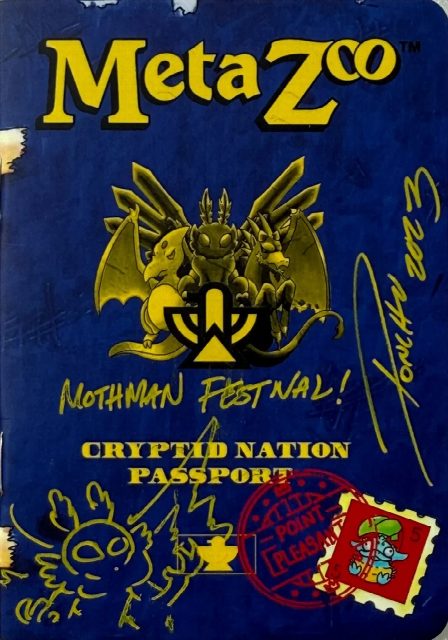
Corners, edges, surface & centering — powered by computer vision.
Close-up viewSelect any corner or edge on the card to inspect it here, then tap the close-up to zoom in. Tap the middle of the card to see your original photo.
センタリング is the weakest sub-grade at 6.5. PSA is strict; BGS/CGC moderate. Next concern: エッジ 7.5
PreGradeCards
AI-Powered Card Grading Analysis Report
11/11/2026
pregradecards.com
Surface inspection
Surface Lab
Five ways to see why the surface scored what it did — magnify the marks, trace the scratches, rake light across the surface. Open any tool to inspect the card yourself.
Centering Details
6.5
Saved Centering Score
6.5 / 10
Fair centering
Centering overlay: green/red guides mark the measured printed borders; labels are the saved measurements.
Border Measurements
Saved L/R Ratio45/55
Saved T/B Ratio68/32
Left33px
Top76px
Right41px
Bottom35px
The card is shifted left horizontally and shifted down vertically relative to the image frame.
Border widths as a fraction of the card's full dimension (0.05 = 5%). Lower = tighter.
Analysis Images
Original Image
Cropped Card
センタリングオーバーレイ
PGC Slab
📸
Image Quality Analysis
Fair — 70/100
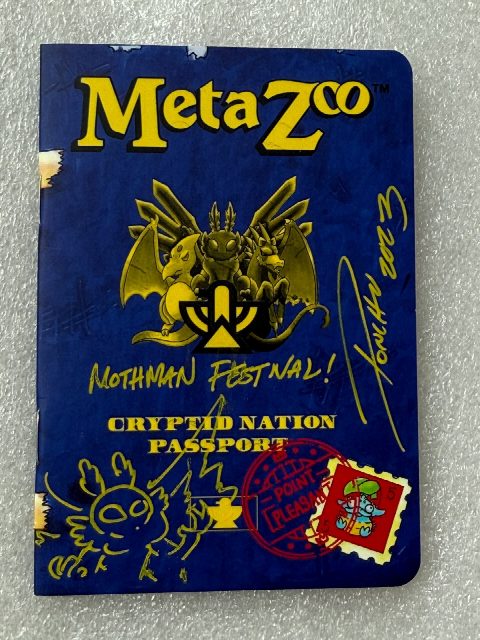
Lighting: unevenBackground: textured white foam sheetAutograph
Photo issues
uneven lighting — part of the card sits in shadow
uneven lighting — one side of the card is much brighter than the other
Visible card condition
spine wear and visible staple indentations along left booklet edge
Card features detected
Autograph visible on card
The photo features crisp focus across the printed details and hand-signed signature, but the lighting is uneven across the booklet. One side is visibly darker and sits in shadow while the other is much brighter, which can obscure fine surface texture or mimic flaws. Diffusing the light source or using softer, balanced lighting across the entire card will ensure our detection AI can evaluate the surface and edges accurately.
Hybrid Grade Forecast™
Based on our AI sub-grade analysis, here is how we expect this card to perform across major grading companies.
Your photo quality directly affects the AI's ability to read your card accurately. Here are the most common things that can affect your grade — and how to fix them:
🖼️
Use a plain background
Patterned or colorful backgrounds make it harder for the AI to detect your card's true edges. Place your card on a solid white or light-colored surface before photographing.
🃏
Scan raw cards — no sleeves or toploaders
Penny sleeves and toploaders reflect light and blur fine details. The AI can't accurately assess corners, edges, or surface through plastic. Remove all holders before scanning.
🔍
Fill the frame — get close
The more of the image your card occupies, the more detail the AI can see. Small or distant cards lose corner sharpness and surface detail. Crop in so the card fills most of the photo.
💡
Use even, shadow-free lighting
Shadows, glare, and camera flash create artifacts that look like surface defects to the AI. Use soft, diffused lighting from multiple angles — or scan on a flatbed scanner for the most consistent results.
📐
Keep the card flat and straight
A tilted or bent card distorts centering measurements and can create false edge wear readings. Place the card flat on a solid surface and shoot directly from above.
✅ Fix these issues and rescan — you'll often see better grade on the second attempt. Every credit saves you from wasting a $25–$80 grading submission fee.
Disclaimer: PreGradeCards reports, AI pre-grade estimates, sub-grades, and market values are provided for entertainment, estimation, and evaluation purposes only. Card identification, market comps, pricing, and population data are sourced from or supplemented by third parties. We make no guarantees, promises, or warranties—implied or expressed—as to grade accuracy in comparison to any other grading organization or regarding any other information in this report. Users should independently corroborate all information with additional sources before making any decisions or taking any actions.