The Short Answer
- TAG customers report turnaround times roughly double the advertised estimates
- Sports cards and 2026 TCG releases are more likely to be delayed due to database validation
- The biggest complaint is not the delay itself, but lack of proactive communication
- TAG uses AI to grade and humans to verify "dings," which still requires human interaction per card
- Pre-screening with AI before choosing TAG can help set realistic expectations and avoid surprise waits
The Promise vs The Reality
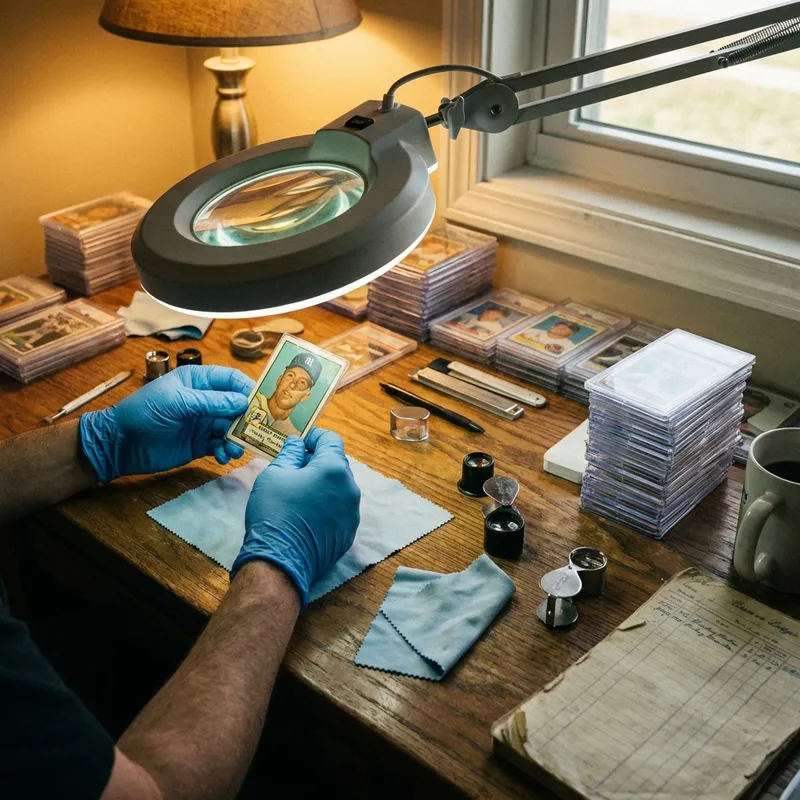
TAG Grading built its brand on AI speed. The company advertised faster turnaround than traditional graders by using computer vision to assign grades and human reviewers to verify defects. In 2026, the reality has not always matched the marketing.
Collectors on r/taggrading report that actual turnaround times are roughly double the website estimates. A submission advertised at a few weeks can stretch into months. The gap between promise and delivery has become the most common thread in TAG customer discussions.
Top Collector Complaints
TAG complaints cluster around three issues:
- Communication gaps: Collectors say TAG was slow to acknowledge how backed up it truly was. The phrase "unprecedented volume" appeared in company messaging as early as January, but February and March submitters were still operating under turnaround estimates that no longer reflected reality.
- Database validation delays: Orders containing sports cards or 2026 TCG releases are more likely to be delayed because the card is not in TAG's database at submission time. Research and validation must happen before grading can begin.
- Shipping and handling horror stories: Some collectors report cards arriving damaged or slabs with issues, prompting the common advice to photograph every card front and back before sending.
Despite the complaints, many TAG users still prefer the slabs and say the company will improve as it scales. The frustration is mainly around expectation management, not the final product.
Why TAG Is Slow
TAG's hybrid model — AI grading plus human verification — still requires human labor for every card. When a card is flagged for a "ding" or a database miss, a human must intervene. The company has also seen a massive influx of TCG submissions, which strains the research and validation pipeline.
Unlike PSA, which has decades of infrastructure, TAG is scaling a newer operation. The combination of AI ambition, human verification bottlenecks, and volume spikes creates the delays collectors are now experiencing.
How to Protect Your Submission
Collectors who still want TAG slabs can reduce risk by following the community playbook:
- Photograph everything: Take clear front and back photos of every card before shipping. This protects you if handling or shipping issues arise.
- Check the database first: If your card is not a well-known Pokémon or sports card, expect a potential database validation delay.
- Pre-screen with AI: Use PreGradeCards to confirm your card has 9+ potential before committing to a TAG submission. A low-grade result from a budget AI pre-screen is cheaper than a disappointing TAG slab.
- Build in buffer time: Assume your TAG order will take roughly twice the advertised estimate. Do not plan sales around the website turnaround window.
TAG is not failing as a product — it is struggling with scale and communication. For collectors who can wait and who verify condition first, the slabs can still be a valuable option.
Frequently Asked Questions
Why is TAG grading taking so long?
Are TAG slabs worth the wait?
What causes TAG database validation delays?
How can I avoid TAG submission problems?
Is TAG better than PSA?
Should I pre-screen before submitting to TAG?
Sources & Further Reading
- r/taggrading — TAG turnaround update
- r/taggrading — TAG Retrospective
- CardGrade.io — Card Grading Backlog 2026
Emily Rodriguez analyzes grading cost, population, and pricing data across PSA, BGS, SGC, CGC, and TAG. She built the PreGradeCards ROI calculator and submission planner, and her market reports on grading backlog, turnaround times, and slab premiums are cited by collectors and dealers worldwide.
With submission floors rising, pre-screening is no longer optional. Use our AI Pre-Grade Calculator to score a card's PSA 10 odds before you pay, and the Submission Planner to pick the right tier.