The Short Answer
- Yu-Gi-Oh! prize cards and Ultimate Rares command the highest grading premiums in Japan
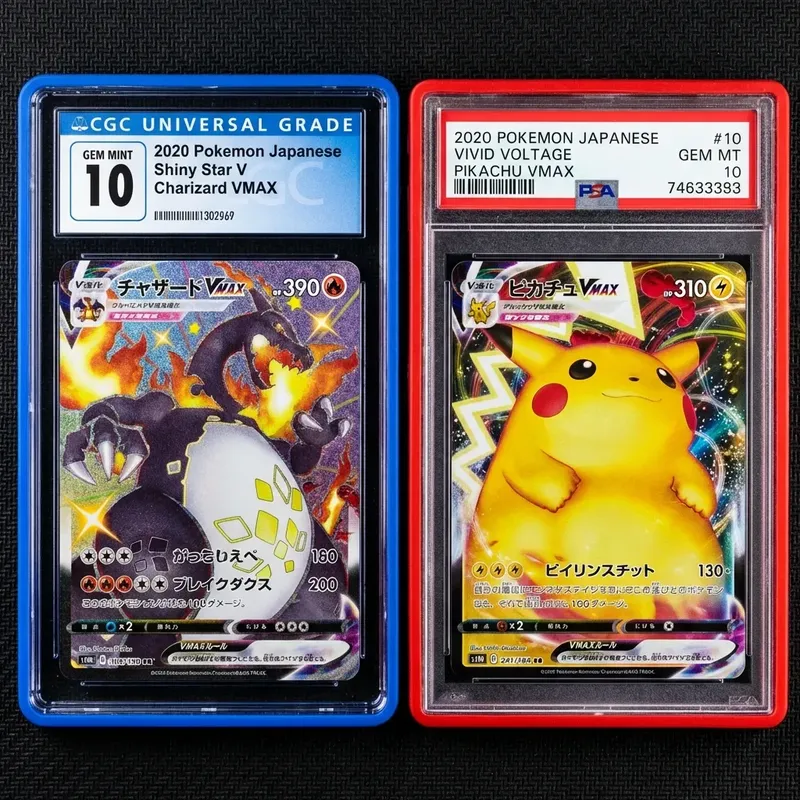
- PSA is the most popular grader for resale, while BGS and CGC serve niche collectors
- Japanese Yu-Gi-Oh! cards have unique foil patterns and stock that AI grading can identify
- Top sales channels include Yahoo! Auctions, Mercari, and specialized collector forums
- Pre-grade cards before submission to avoid grading fees on cards that will not grade high
The Yu-Gi-Oh! Grading Market in Japan
Yu-Gi-Oh! is a Japanese-born phenomenon, and its collectible card market has matured into a serious investment category. From iconic tournament prize cards like "Dark Magician Girl" and "Blue-Eyes White Dragon" to modern Ultimate Rares and Quarter Century Secret Rares, collectors are increasingly seeking third-party grading to protect and verify condition.
Unlike the U.S. market, where English print dominates, Japanese collectors focus on Japanese-language cards. These cards often have different foil textures, holographic patterns, and card stock, which means grading assessment must be done with local print characteristics in mind.
Which Cards Are Worth Grading
The highest grading premiums belong to tournament prize cards, Ultimate Rares from early booster sets, vintage cards in mint condition, and Quarter Century Secret Rares. Modern common cards are rarely worth grading unless they are Gem Mint and have high play demand.
Before spending ¥10,000 or more per card on grading, check the ungraded value and the expected grade premium. A card worth ¥2,000 raw is unlikely to justify a PSA submission unless you are confident it will earn a 10.
PSA, BGS, and CGC for Yu-Gi-Oh!
PSA dominates the Yu-Gi-Oh! resale market in Japan because of its global recognition and strong auction premiums. BGS is attractive for high-end cards that may earn a pristine black label. CGC is gaining traction for collectors who want accurate modern grading and competitive pricing.
Submission is the same as with Pokémon: direct international mail, authorized dealers, or local group submissions. Pre-screening with AI is especially important because many Yu-Gi-Oh! cards have subtle foil defects that are hard to see with the naked eye.
Common Condition Issues
Yu-Gi-Oh! cards are notorious for edge whitening on the silver border, surface scratches on holo areas, and corner fuzzing from loose sleeves. Ultimate Rares are especially fragile because the foil extends to the card edges.
AI grading from PreGradeCards can detect these issues at the pixel level and give you a clear picture of whether the card is a PSA 9 or 10 candidate before you commit to professional grading.
Frequently Asked Questions
Can Yu-Gi-Oh! cards be graded by PSA?
Which Yu-Gi-Oh! cards are worth grading in Japan?
Is BGS or PSA better for Yu-Gi-Oh!?
What are common defects on Japanese Yu-Gi-Oh! cards?
How do I submit Yu-Gi-Oh! cards from Japan?
Sources & Further Reading
The PreGradeCards Research Team combines machine-learning engineers, grading analysts, and collector-education specialists to produce accurate, data-driven guides on AI card grading, professional grading standards, and collecting strategy.
With submission floors rising, pre-screening is no longer optional. Use our AI Pre-Grade Calculator to score a card's PSA 10 odds before you pay, and the Submission Planner to pick the right tier.