Basketball · Karten, die wir erkennen und vorprüfen
Identifizierung und KI-Vorprüfung von Basketball-Karten
Basketball cards have exploded in value since the 2019-2020 market boom. From Michael Jordan's 1986 Fleer rookie to LeBron James, Stephen Curry, and Victor Wembanyama, basketball cards are among the most liquid sports collectibles. PreGradeCards AI identifies year, set, player, parallel, and condition to predict PSA, BGS, and SGC grades.
- AI Pre-Grading
- 89% PSA Accuracy
- 40-60% Cost Savings
- PSA BGS · SGC · CGC
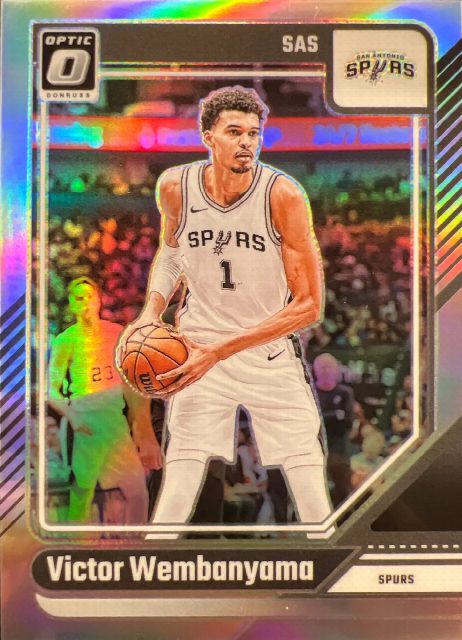
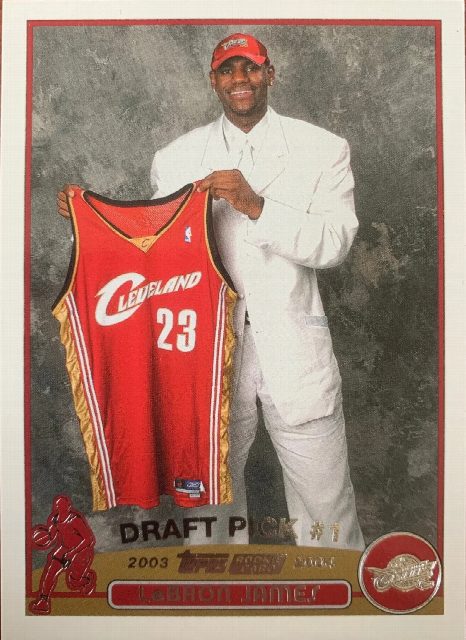
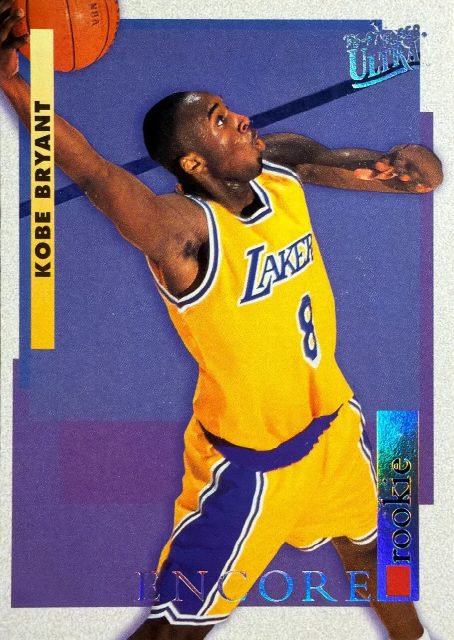
Kürzlich geprüft in Basketball
Echte PreGradeCards-Berichte — öffne einen für die vollständige Note, Teilnoten, Zentrierung und Live-Marktdaten.
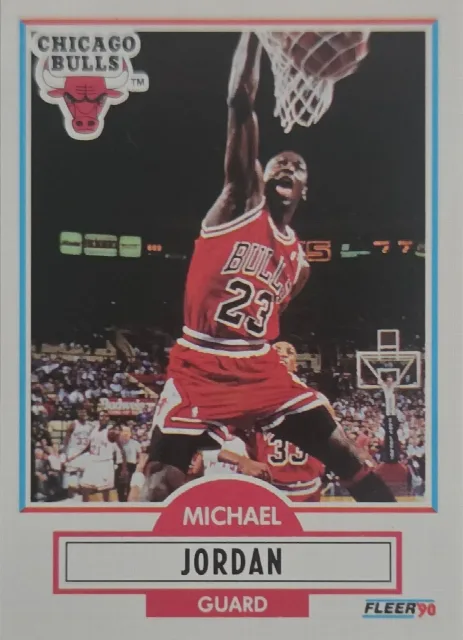
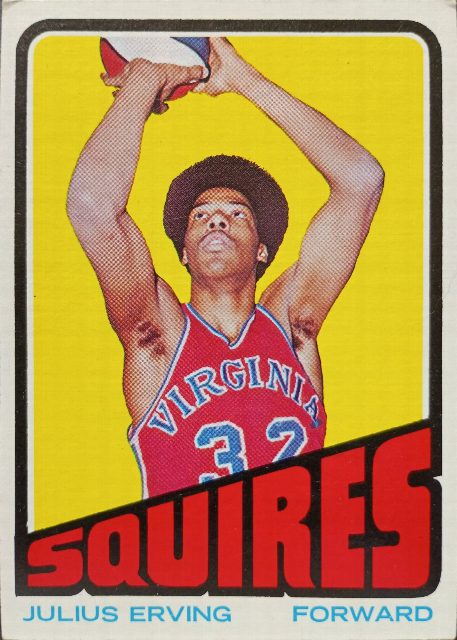
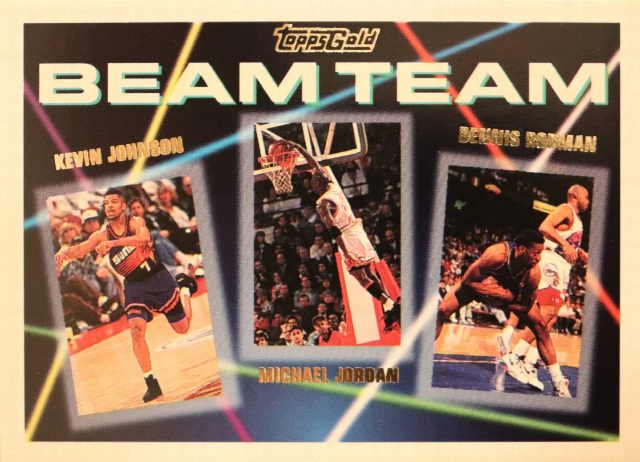
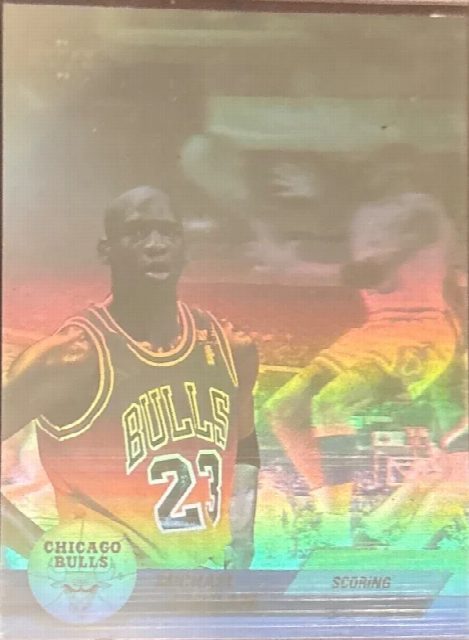
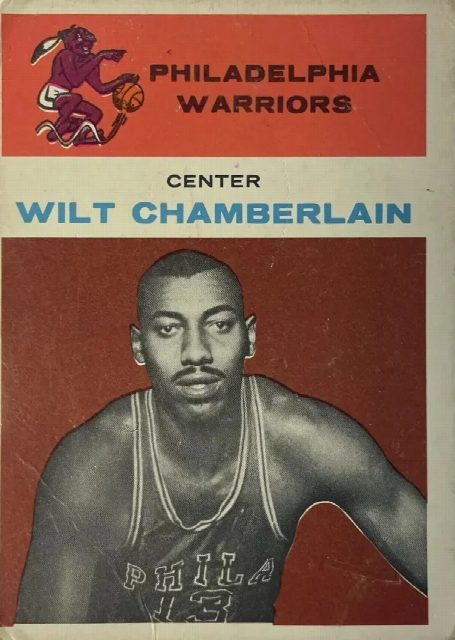
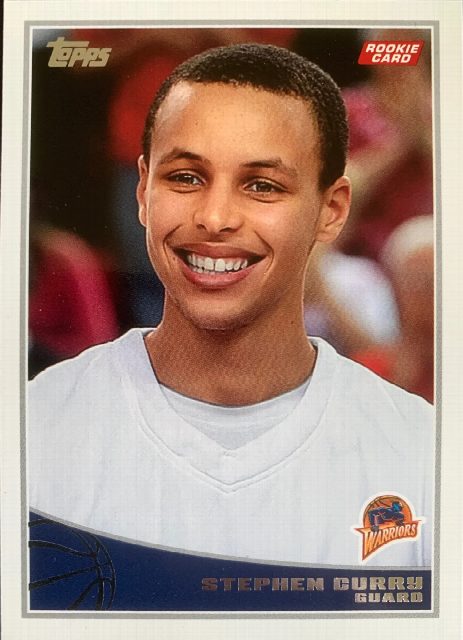
Die kurze Antwort
PreGradeCards identifies and pre-grades basketball cards from a single photo — reading the player or character, year, set, card number and parallel, then predicting a PSA, BGS, SGC or CGC grade in seconds.
Geschichte und Marktkontext
Basketball cards began in the 1940s and 1950s but became mainstream with Topps in the 1960s and Fleer in the 1980s. The 1986 Fleer Michael Jordan rookie is the most iconic basketball card. The 1990s saw overproduction, but the 2000s brought premium products like Exquisite Collection and Upper Deck. Panini acquired the NBA license in 2009 and has produced Prizm, Select, and National Treasures.
Basketball cards are driven by star power and rookie hype. The 1986 Fleer Jordan PSA 10 can reach six figures. Modern Prizm rookie cards of Wembanyama, Holmgren, and Henderson can spike dramatically. Panini Prizm Silver and Gold parallels command the highest premiums in the modern market.
In 2026, the grading market for Basketball Card Identification & AI Grading remains active. Collectors are submitting vintage staples, modern chase cards, and premium foil variants. The key to success is condition. A card that looks mint to the naked eye may have micro-surface defects, off-centering, or corner wear that drops it from PSA 10 to PSA 9 or lower. AI pre-grading catches these issues before you pay for a professional slab.
Künstler, Sets und Design
Basketball cards primarily use sports photography and digital design. Panini's modern products feature high-quality action shots, posed photos, and special effects. Exquisite Collection and National Treasures use premium materials and on-card autographs. The design has shifted from simple team colors to complex foil patterns and holographic treatments.
Understanding the design history of Basketball Card Identification & AI Grading helps collectors identify valuable variants and avoid counterfeits. Card backs, copyright lines, foil patterns, and border treatments all provide authentication clues. PreGradeCards AI is trained on these visual markers to identify cards accurately from a single photo.
Was die KI liest
- Year, set, and brand
- Player name and team
- Base, parallel, refractor, and autograph
- Card number and special insert identification
- Surface, corner, edge, and centering flaws
Dazu eine erwartete Notenspanne und die konkreten Mängel, die sie am wahrscheinlichsten senken — bevor du 20–300 $ für eine professionelle Einreichung ausgibst.
Bewertungsanalyse
- Prizm cards are extremely prone to surface scratches
- Fleer Jordan cards have thin stock and chipping
- Modern cards often have print lines and dimples
- Centering can vary widely on Panini products
- Autograph cards can have streaks or smudges
Bewertungsnachfrage nach Epoche
Warum zuerst vorprüfen
Professional grading is expensive, and not every card will earn a premium grade. PSA Regular costs $79.99 per card. If you submit ten cards and only three earn PSA 10, you have wasted $559.93 on the seven lower grades. AI pre-grading at $0.18 per credit lets you test your entire collection first.
The AI filters out the 60-70% of raw cards that are unlikely to earn PSA 10, letting you submit only the strongest candidates. This reduces total grading costs by 40-60% and improves the average grade of your submissions. For collectors and dealers who grade dozens or hundreds of cards per year, the savings can reach thousands of dollars.
AI pre-grading is especially valuable for Basketball Card Identification & AI Grading because of the variety of card types, foil treatments, and print eras. A card from one era may have different condition vulnerabilities than a card from another. The AI accounts for these differences and gives you a targeted pre-screening report.
Häufige Fragen
How does AI pre-grading work for basketball cards?
The AI scans the card, identifies the year, set, player, and parallel, then evaluates corners, edges, surface, and centering for a predicted grade.
What basketball cards are worth grading?
1986 Fleer Jordan, LeBron rookies, Prizm rookies of current stars, and high-grade Hall of Fame cards are the best candidates.
Is AI pre-grading accurate for basketball?
PreGradeCards AI matches PSA, BGS, and SGC grades within one point on 89% of tested cards.
How much does basketball card grading cost?
PSA Regular is $79.99 per card. BGS is $20-35. AI pre-grading is about $0.18 per credit.
What is the biggest grade killer for basketball cards?
Surface scratches on Prizm cards and corner chipping on vintage Fleer are the most common issues.
Vorprüfen, bevor du einreichst
Professionelle Bewertung kostet 20–300 $ pro Karte. PreGradeCards prüft basketball-Karten vor, damit du nur die Exemplare einreichst, die echtes Gem-Potenzial haben.
Eine Basketball-Karte vorprüfen