Hockey sur glace · cartes que nous identifions et pré-évaluons
Identification et pré-évaluation IA des cartes Hockey sur glace
Hockey cards are a cornerstone of the sports card hobby, especially in Canada and the northern United States. From Wayne Gretzky's 1979 O-Pee-Chee rookie to Connor McDavid Young Guns and modern Upper Deck, hockey cards offer both vintage and modern investment opportunities. PreGradeCards AI identifies year, set, player, and condition to predict grades.
- AI Pre-Grading
- 89% PSA Accuracy
- 40-60% Cost Savings
- PSA BGS · SGC · CGC
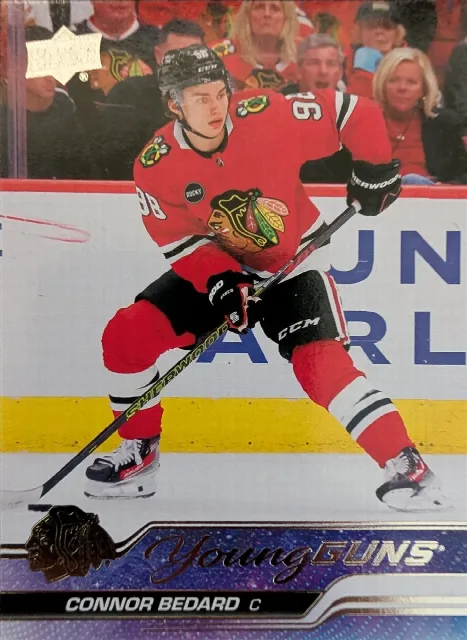
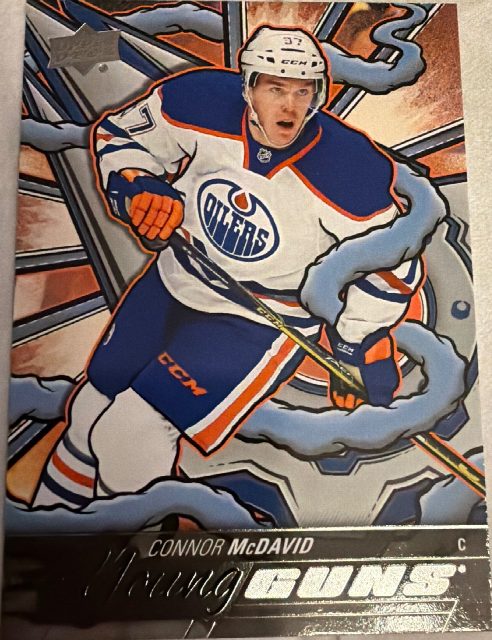
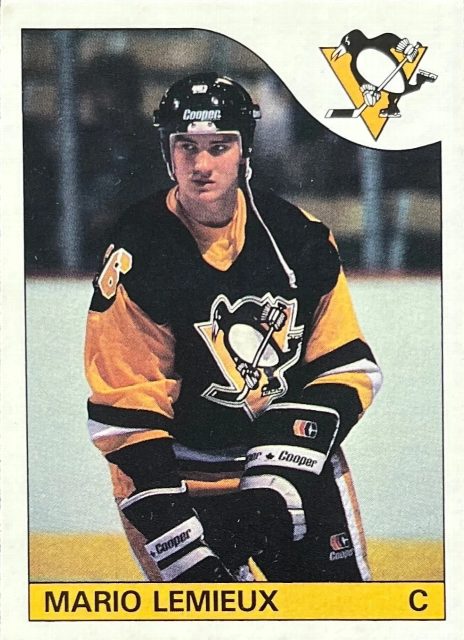
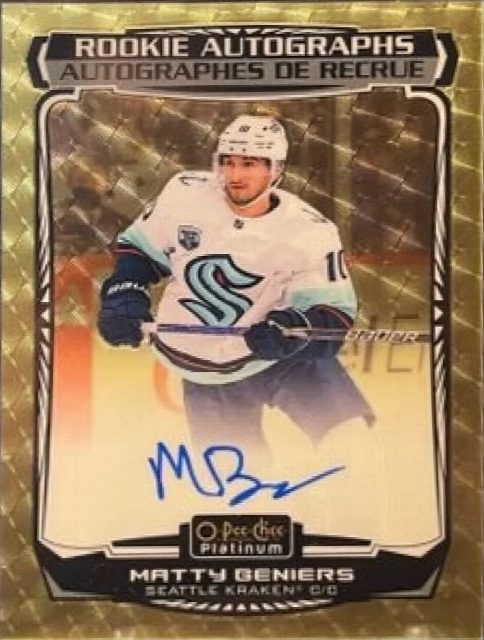
Évaluées récemment en Hockey sur glace
De vrais rapports PreGradeCards — ouvrez-en un pour la note complète, les sous-notes, le centrage et les données de marché en direct.
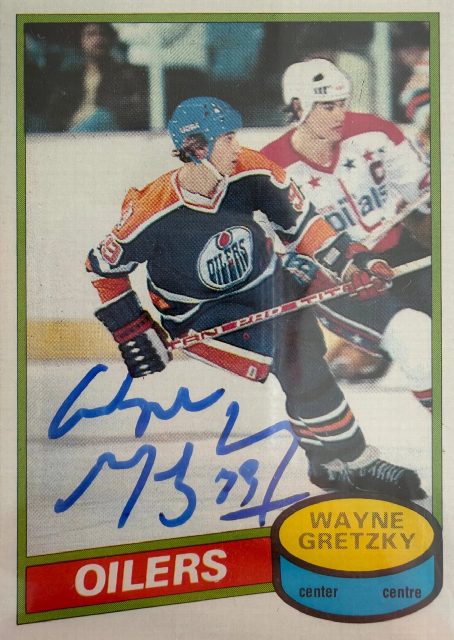
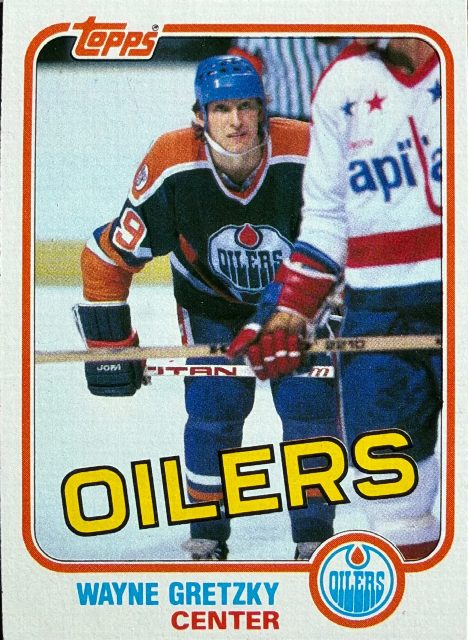
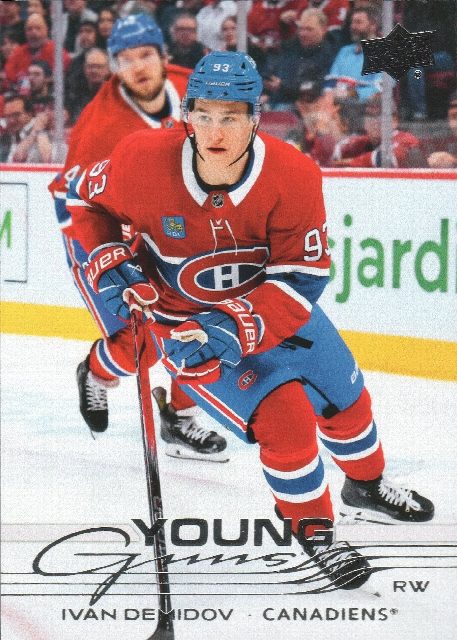
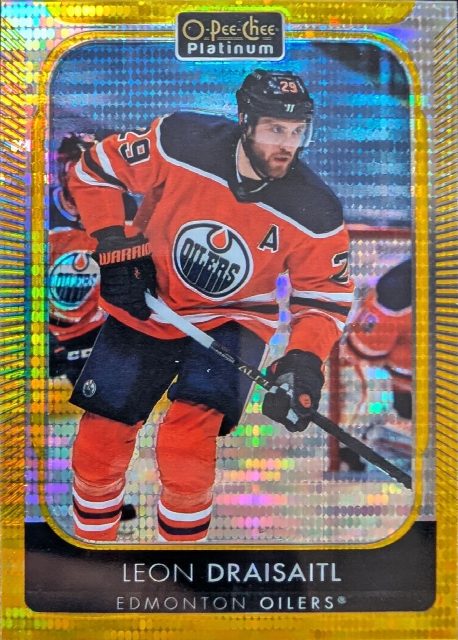
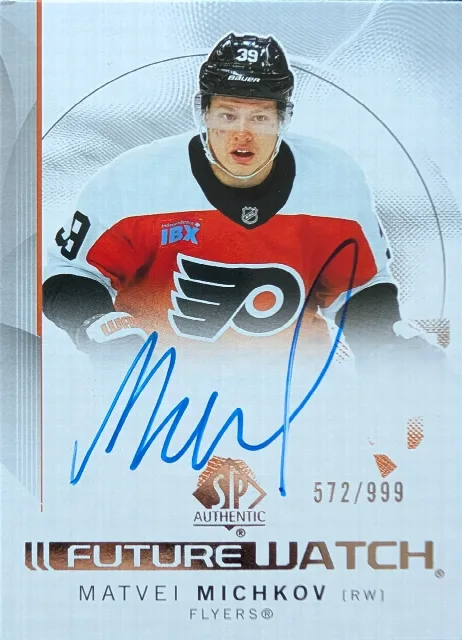
La réponse courte
PreGradeCards identifies and pre-grades hockey cards from a single photo — reading the player or character, year, set, card number and parallel, then predicting a PSA, BGS, SGC or CGC grade in seconds.
Histoire et contexte du marché
Hockey cards began with tobacco and caramel issues in the early 1900s. O-Pee-Chee and Topps produced the key post-war sets, with the 1979 O-Pee-Chee Wayne Gretzky rookie becoming the most iconic hockey card. Upper Deck acquired the NHL license in the 1990s and has produced Young Guns, The Cup, and Exquisite. The hobby has strong international appeal, especially in Canada and Europe.
Hockey cards are driven by star players and international appeal. The 1979 O-Pee-Chee Gretzky PSA 9 is a six-figure card. Connor McDavid, Sidney Crosby, and Auston Matthews Young Guns are the modern chases. The Cup and National Treasures premium products feature high-end patch autographs.
In 2026, the grading market for Hockey Card Identification & AI Grading remains active. Collectors are submitting vintage staples, modern chase cards, and premium foil variants. The key to success is condition. A card that looks mint to the naked eye may have micro-surface defects, off-centering, or corner wear that drops it from PSA 10 to PSA 9 or lower. AI pre-grading catches these issues before you pay for a professional slab.
Artistes, séries et design
Hockey cards use action photography and ice-themed designs. Upper Deck's products feature game photos, posed shots, and special effects like ice crystals and frosted borders. O-Pee-Chee vintage cards are known for their simple but classic designs. Modern premium products use on-card autographs and patch windows.
Understanding the design history of Hockey Card Identification & AI Grading helps collectors identify valuable variants and avoid counterfeits. Card backs, copyright lines, foil patterns, and border treatments all provide authentication clues. PreGradeCards AI is trained on these visual markers to identify cards accurately from a single photo.
Ce que lit l’IA
- Year, set, and brand
- Player name and team
- Base, Young Guns, parallel, and autograph
- Card number and rookie identification
- Surface, corner, edge, and centering flaws
Plus une fourchette de note prévue et les défauts précis les plus susceptibles de la faire baisser — avant de dépenser 20 à 300 $ pour une soumission professionnelle.
Analyse de la notation
- Vintage OPC cards have rough edges and poor centering
- Young Guns cards are frequently handled and played
- Upper Deck foils are prone to surface scratches
- The Cup cards have thick stock but fragile patch windows
- Centering varies on modern products
Demande de notation par époque
Pourquoi pré-évaluer d’abord
Professional grading is expensive, and not every card will earn a premium grade. PSA Regular costs $79.99 per card. If you submit ten cards and only three earn PSA 10, you have wasted $559.93 on the seven lower grades. AI pre-grading at $0.18 per credit lets you test your entire collection first.
The AI filters out the 60-70% of raw cards that are unlikely to earn PSA 10, letting you submit only the strongest candidates. This reduces total grading costs by 40-60% and improves the average grade of your submissions. For collectors and dealers who grade dozens or hundreds of cards per year, the savings can reach thousands of dollars.
AI pre-grading is especially valuable for Hockey Card Identification & AI Grading because of the variety of card types, foil treatments, and print eras. A card from one era may have different condition vulnerabilities than a card from another. The AI accounts for these differences and gives you a targeted pre-screening report.
Questions fréquentes
How does AI pre-grading work for hockey cards?
The AI scans the card, identifies the year, set, player, and brand, then evaluates corners, edges, surface, and centering for a predicted grade.
What hockey cards are worth grading?
1979 OPC Gretzky, Young Guns rookies, The Cup patch autos, and high-grade modern stars are the best candidates.
Is AI pre-grading accurate for hockey?
PreGradeCards AI matches PSA, BGS, and SGC grades within one point on 89% of tested cards.
How much does hockey card grading cost?
PSA Regular is $79.99 per card. BGS is $20-35. AI pre-grading is about $0.18 per credit.
What is the biggest grade killer for hockey cards?
Rough edges and poor centering on vintage OPC, and surface scratches on modern foils are the most common issues.
Pré-évaluez avant d’envoyer
La notation professionnelle coûte 20 à 300 $ par carte. PreGradeCards pré-évalue les cartes hockey sur glace pour que vous n’envoyiez que les exemplaires ayant un vrai potentiel de gem.
Pré-évaluer une carte Hockey sur glace