Yu-Gi-Oh!・当社が識別し事前評価するカード
Yu-Gi-Oh!カードの識別とAI事前評価
Yu-Gi-Oh! is one of the longest-running and most valuable trading card games. From Legend of Blue-Eyes White Dragon in 2002 to modern Starlight Rares and Quarter Century Secret Rares, Yu-Gi-Oh! cards are a major grading market. PreGradeCards AI identifies set, rarity, edition, language, and condition to predict PSA, BGS, and CGC grades before you pay professional fees.
- AI Pre-Grading
- 89% PSA Accuracy
- 40-60% Cost Savings
- PSA BGS · SGC · CGC
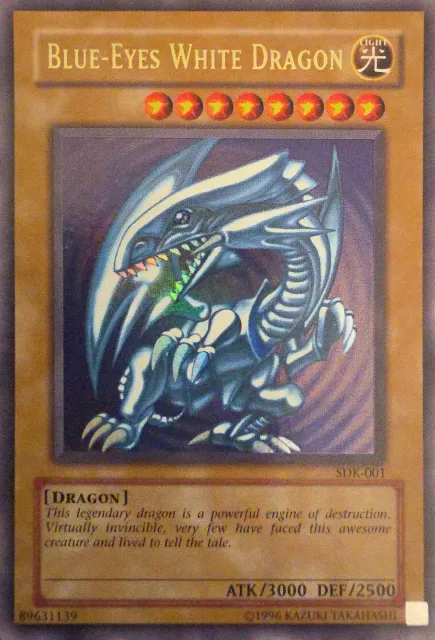
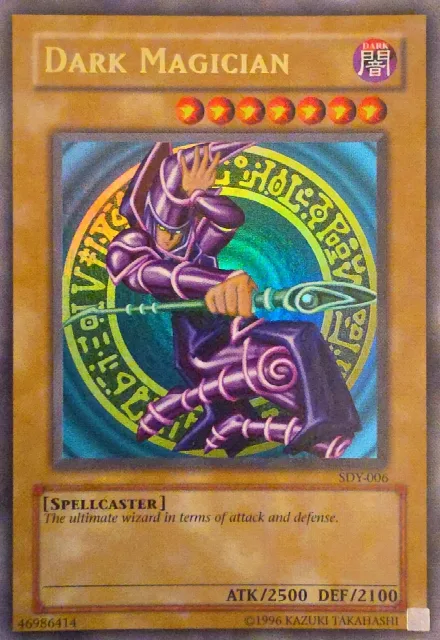
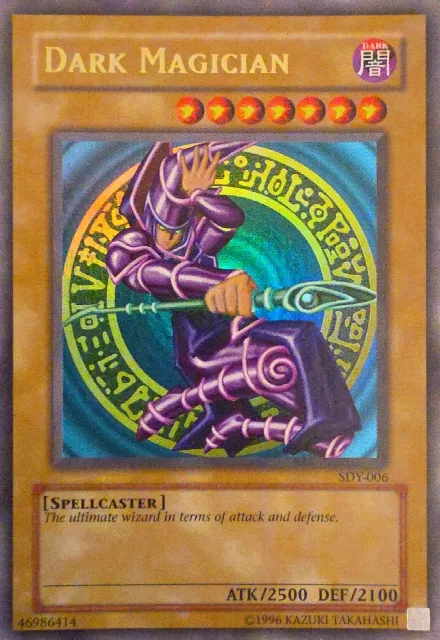
Yu-Gi-Oh!で最近評価されたカード
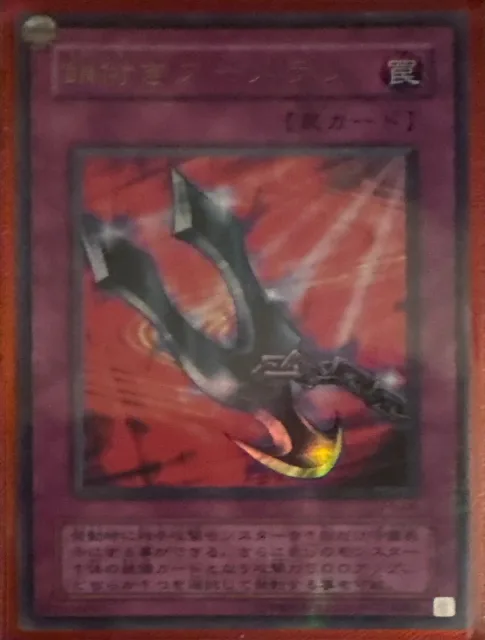
PreGradeCardsの実際のレポートです。開くと総合評価、部門評価、センタリング、ライブ市場データを確認できます。
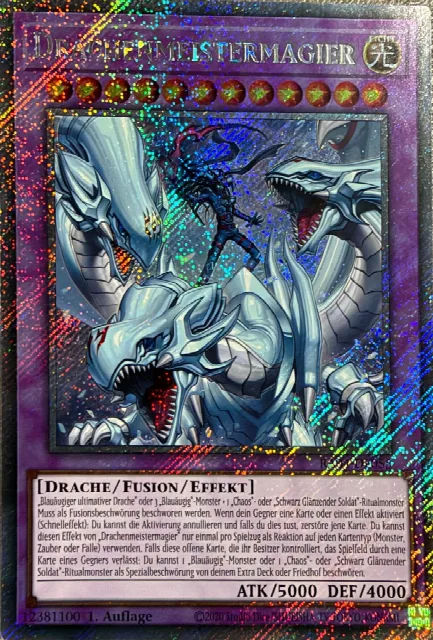
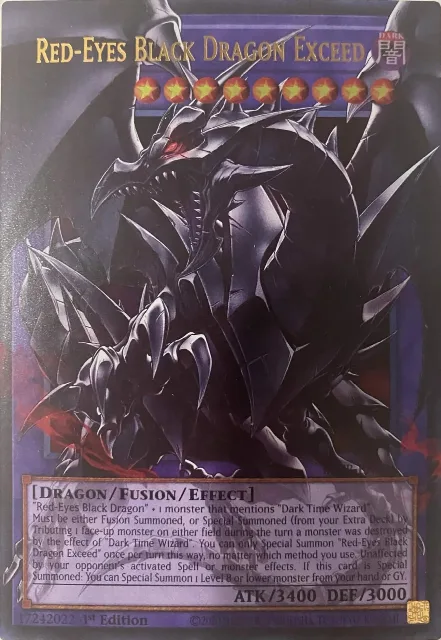
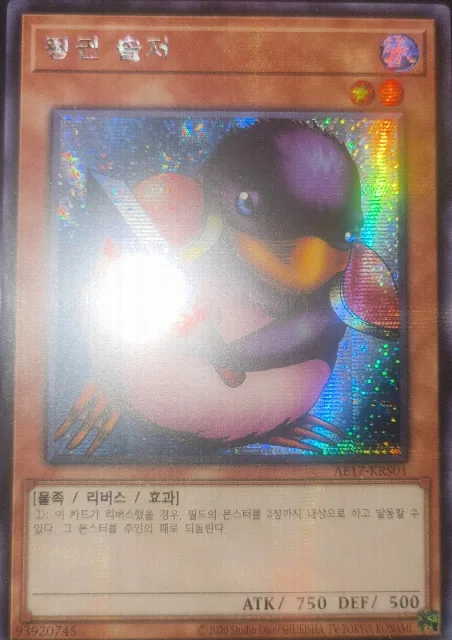
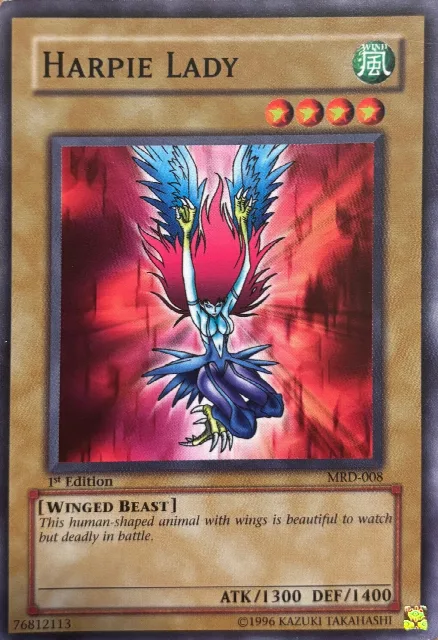
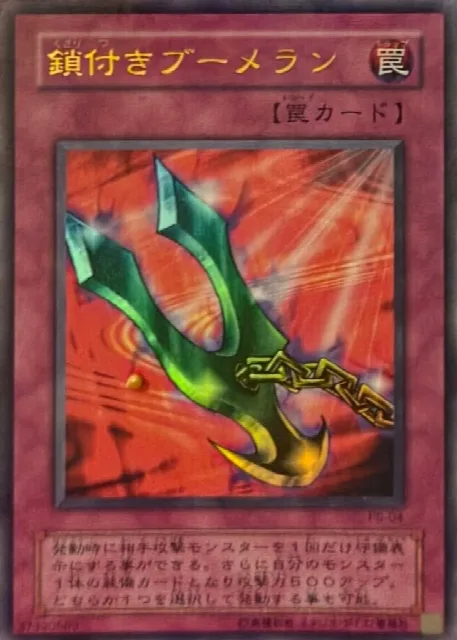
短い答え
PreGradeCards identifies and pre-grades yu-gi-oh! cards from a single photo — reading the player or character, year, set, card number and parallel, then predicting a PSA, BGS, SGC or CGC grade in seconds.
歴史と市場の背景
Yu-Gi-Oh! began as a manga by Kazuki Takahashi in 1996 and became a TCG in 1999 in Japan and 2002 in North America. The game has produced hundreds of booster sets, structure decks, and promotional releases. Legend of Blue-Eyes White Dragon, Metal Raiders, and Pharaoh's Servant established the original chase cards. Modern sets introduce premium rarities like Ghost Rare, Starlight Rare, and Collector's Rare.
Yu-Gi-Oh! cards can reach five and six figures in high grades. First-edition LOB Blue-Eyes White Dragon PSA 10s and Dark Magician cards are legendary collector targets. Modern Starlight Rares and prize cards also command strong premiums. The market is global, with distinct demand for Japanese OCG cards and English TCG cards.
In 2026, the grading market for Yu-Gi-Oh! Card Identification & AI Grading remains active. Collectors are submitting vintage staples, modern chase cards, and premium foil variants. The key to success is condition. A card that looks mint to the naked eye may have micro-surface defects, off-centering, or corner wear that drops it from PSA 10 to PSA 9 or lower. AI pre-grading catches these issues before you pay for a professional slab.
アーティスト・セット・デザイン
Kazuki Takahashi created the original Yu-Gi-Oh! character designs and many card arts. The TCG has used a wide range of artists across its history, with modern premium cards often featuring highly detailed digital illustrations. The card design has evolved from simple border layouts to complex foil textures and holographic rarity symbols.
Understanding the design history of Yu-Gi-Oh! Card Identification & AI Grading helps collectors identify valuable variants and avoid counterfeits. Card backs, copyright lines, foil patterns, and border treatments all provide authentication clues. PreGradeCards AI is trained on these visual markers to identify cards accurately from a single photo.
AIが読み取る項目
- Set symbol, edition, and card number
- Common, Rare, Ultra Rare, Secret Rare, Ghost Rare, Starlight Rare
- First edition, unlimited, and reprint identification
- OCG Japanese vs TCG English language detection
- Corner, edge, surface, and centering flaws
さらに、予測評価範囲と評価を下げる可能性が高い具体的な欠陥も表示します。プロ出品に20〜300ドルを使う前に確認できます。
評価の詳細
- Ghost Rare and Starlight Rare foils are extremely scratch-prone
- First-edition cards have thin stock and weak corners
- OCG cards often have different texture and centering than TCG
- Ultimate Rare cards show surface defects easily
- Modern foils can have print lines and holo clouding
時代別の評価需要
なぜ事前評価が先か
Professional grading is expensive, and not every card will earn a premium grade. PSA Regular costs $79.99 per card. If you submit ten cards and only three earn PSA 10, you have wasted $559.93 on the seven lower grades. AI pre-grading at $0.18 per credit lets you test your entire collection first.
The AI filters out the 60-70% of raw cards that are unlikely to earn PSA 10, letting you submit only the strongest candidates. This reduces total grading costs by 40-60% and improves the average grade of your submissions. For collectors and dealers who grade dozens or hundreds of cards per year, the savings can reach thousands of dollars.
AI pre-grading is especially valuable for Yu-Gi-Oh! Card Identification & AI Grading because of the variety of card types, foil treatments, and print eras. A card from one era may have different condition vulnerabilities than a card from another. The AI accounts for these differences and gives you a targeted pre-screening report.
よくある質問
How does AI pre-grading work for Yu-Gi-Oh! cards?
The AI scans the card, identifies the set, rarity, and edition, then evaluates corners, edges, surface, and centering for a predicted grade.
What Yu-Gi-Oh! cards are worth grading?
First-edition LOB chase cards, Ghost Rares, Starlight Rares, prize cards, and high-demand modern staples are the best candidates.
Is AI pre-grading accurate for Yu-Gi-Oh!?
PreGradeCards AI matches PSA and CGC grades within one point on 89% of tested cards.
How much does Yu-Gi-Oh! grading cost?
PSA Regular is $79.99 per card. CGC starts at $15. AI pre-grading is about $0.18 per credit.
What is the biggest grade killer for Yu-Gi-Oh! cards?
Foil surface scratches, corner wear on first-edition cards, and off-centering are the most common issues.
出品前に事前評価
プロの評価は1枚20〜300ドルかかります。PreGradeCardsはyu-gi-oh!カードを事前評価し、本当にGemの可能性があるものだけを出品できるようにします。
Yu-Gi-Oh!カードを事前評価する